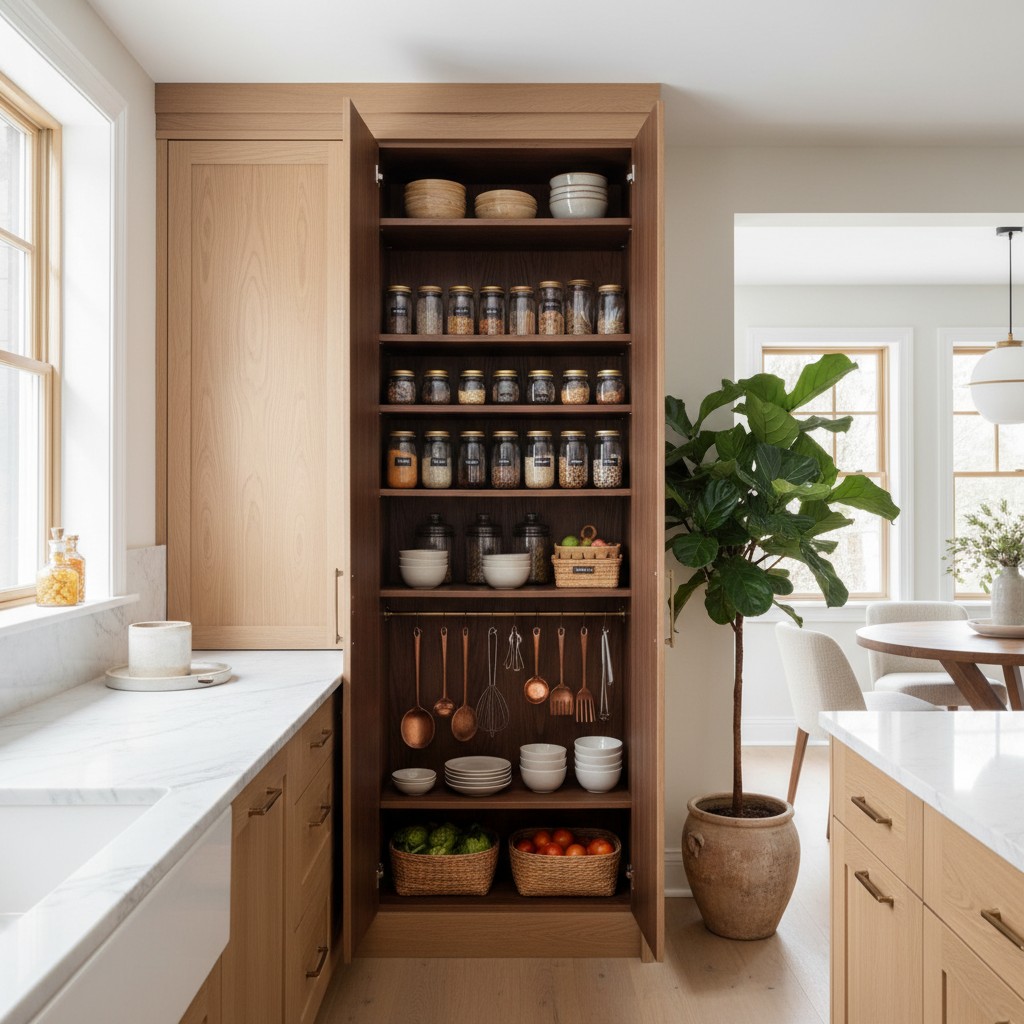
Indian bedroom design is all about blending tradition with practicality. Whether you’re updating your space or starting from scratch, these ideas can help create a room that feels both personal and functional. From space-saving nightstands to clever storage solutions, each element can be customized to fit your needs and style.
Quick Tips Before You Start
- Measure your space before buying furniture—Indian bedrooms often have unique layouts.
- Consider the climate—lightweight fabrics work better in most regions.
- Mix textures like wood, brass, and cotton for depth.
- Don’t forget underbed storage—it’s a lifesaver in compact spaces.
1. Floating Nightstands with Indian Motifs
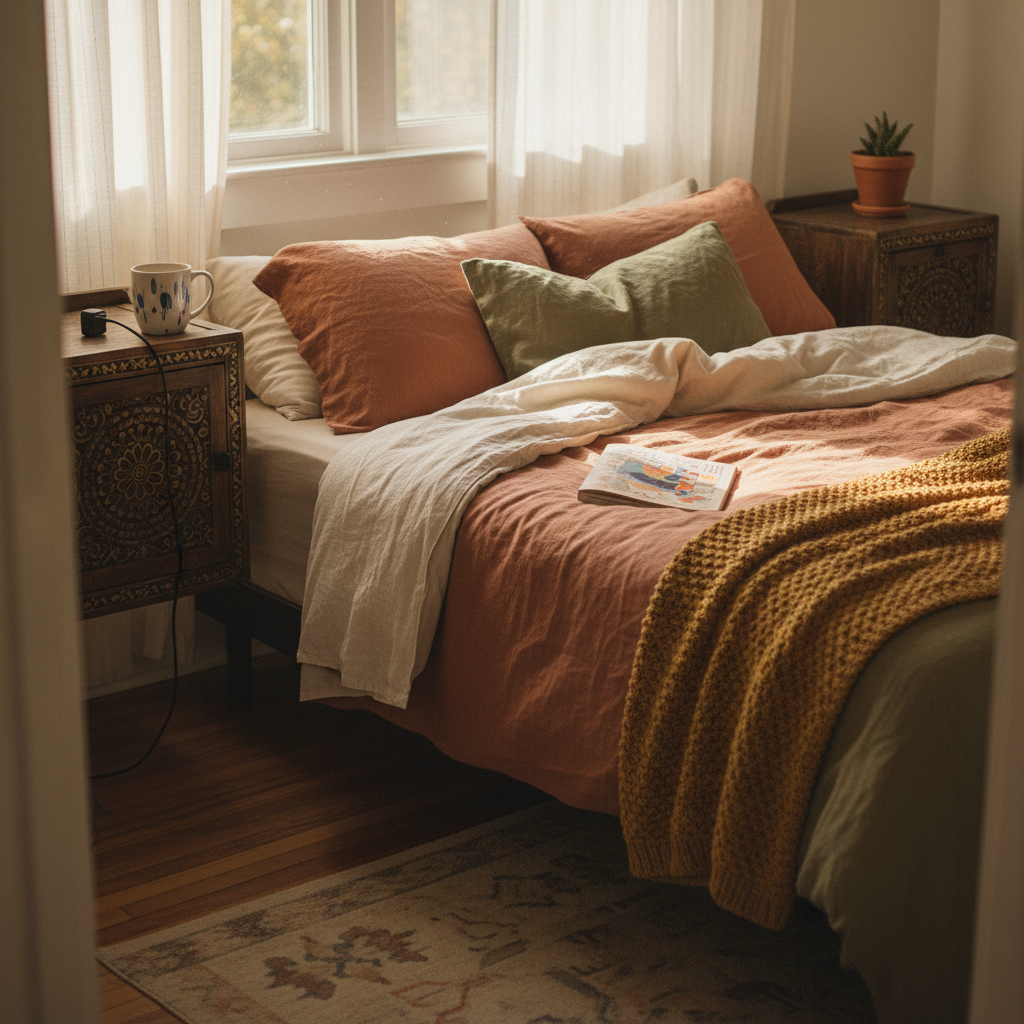
I’ve become a huge fan of floating nightstands. They hover just above the floor, saving space and adding a modern touch. Look for ones with jaali patterns or brass inlays to subtly nod to Indian heritage. The ones I use are 12 inches wide and 6 inches deep, made from solid sheesham wood, and come in natural and walnut finishes.
For a DIY version, mount a wooden box with carved panels to your wall. I stained mine walnut and lined the inside with block-printed fabric—total cost under ₹2000. They’re great for small bedrooms, but if you have a lot of bedside essentials, they might feel too compact.
2. Underbed Storage with Ethnic Fabric Liners
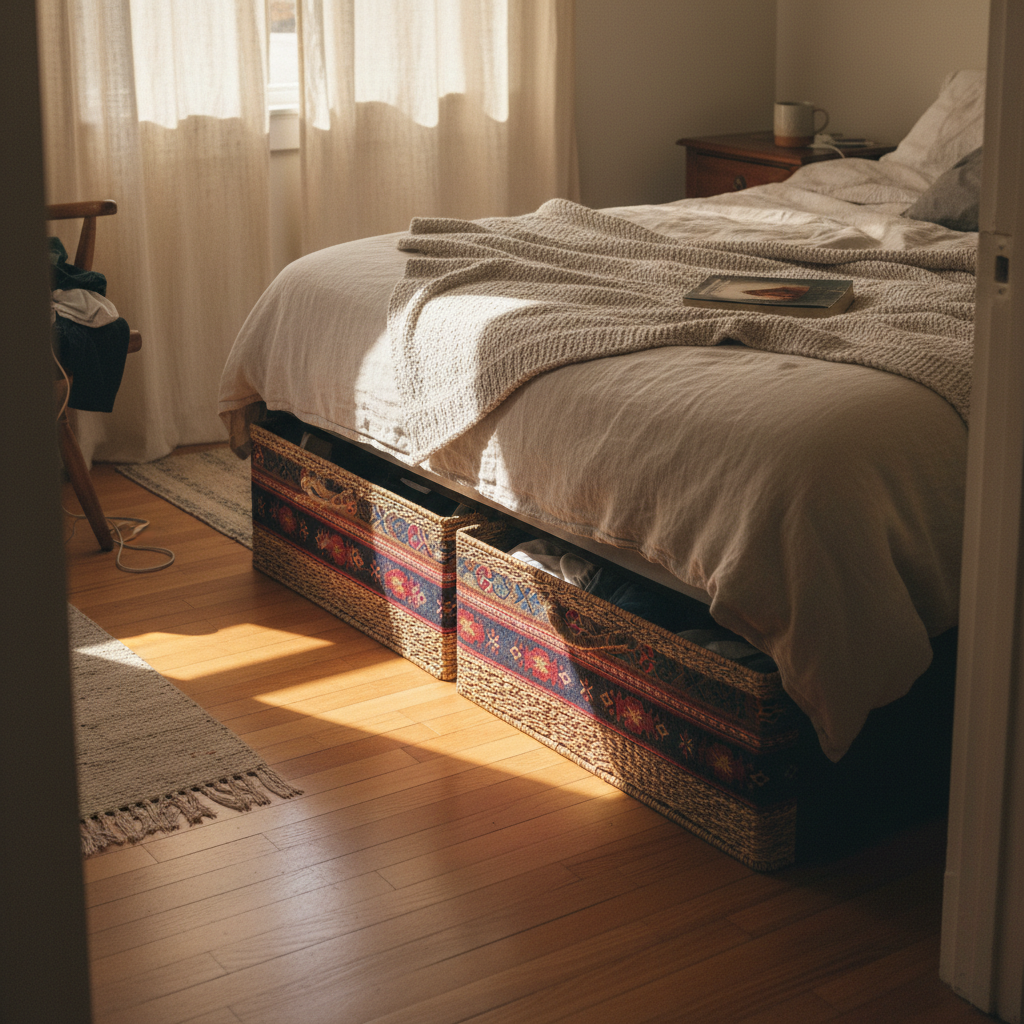
Let’s face it—Indian wardrobes are always overflowing. These clear underbed containers keep things visible and dust-free. I line mine with handloom scraps or vintage saris for a pop of color when I peek underneath. The bins I use are 36 inches long, 18 inches wide, and 6 inches high, made from durable polypropylene.
I prefer two shallow bins instead of one deep one—easier to slide out when full. Leave 3 inches of clearance for airflow. Compared to storage ottomans, these are more practical for bulky items. Perfect for those with limited closet space, but skip if your bed is too low.
Get a similar underbed storage set on Amazon.
3. Jharokha-Inspired Headboard
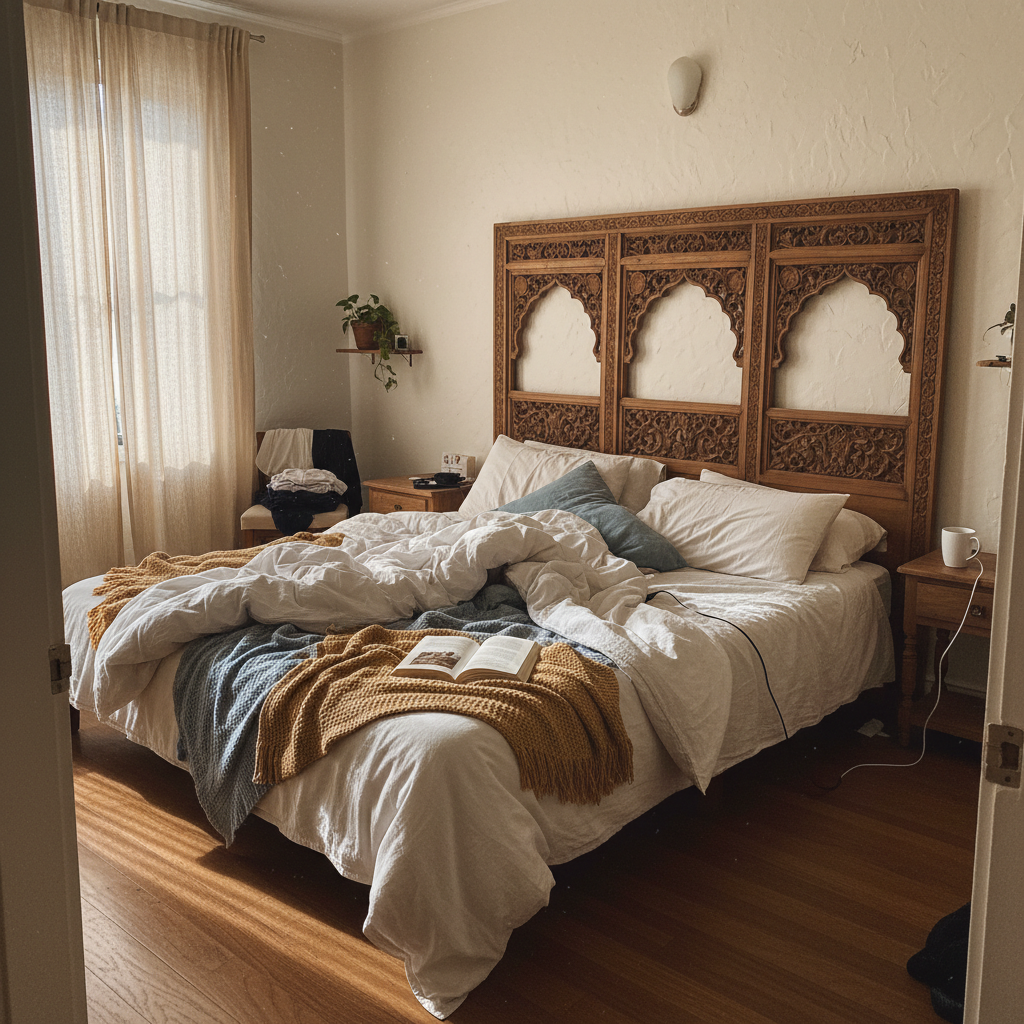
This Mughal-era window design makes a stunning headboard. I commissioned a local carpenter to create a wooden frame with arched tops, then hung it like a canopy over my mattress. My headboard is 60 inches wide and 40 inches tall, made from solid teak wood.
For renters, try a lightweight MDF cutout mounted with command strips. Drape fairy lights through the openings or hang small potted plants—it’s a living art piece. Compared to upholstered headboards, this adds cultural depth. Great for traditional design lovers, but skip if you prefer minimalism.
4. Modular Wardrobes with Hidden Puja Corner
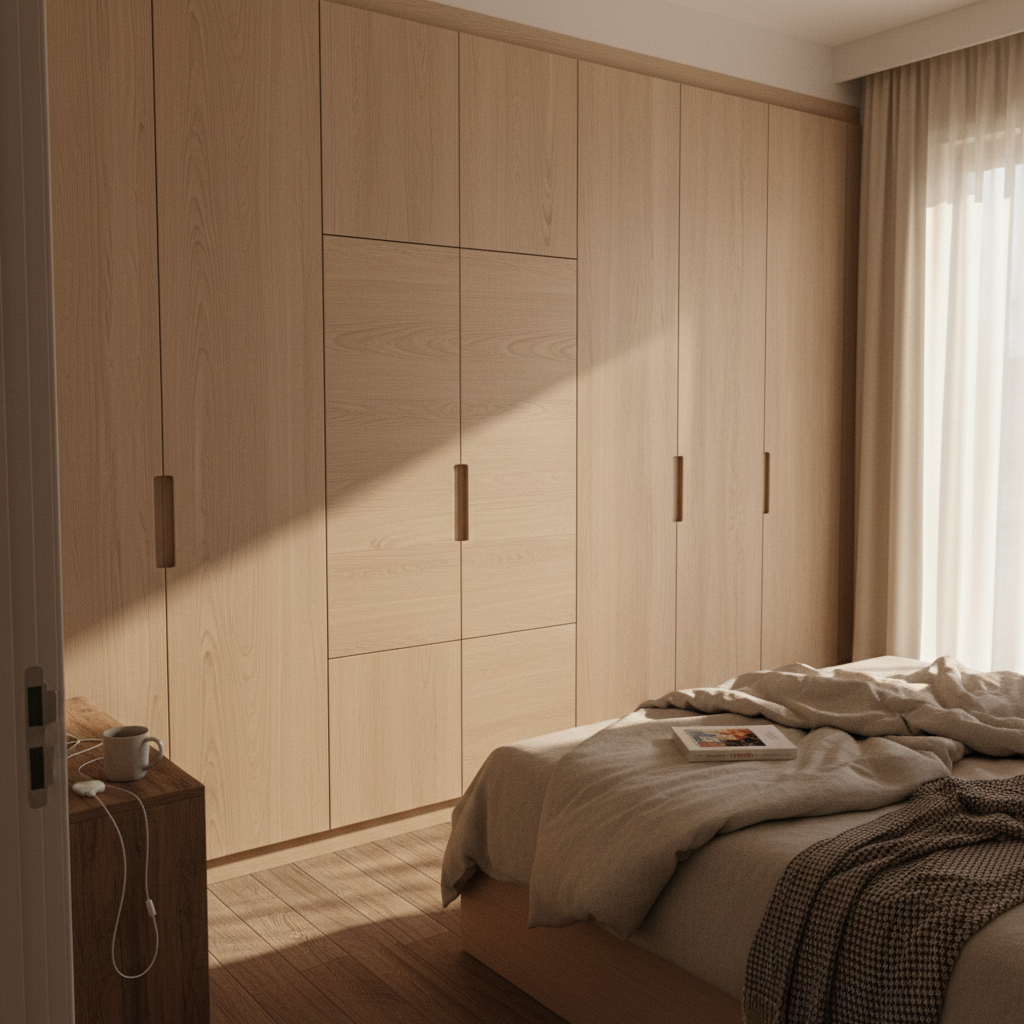
Many Indian bedrooms need space for spiritual practices. I designed a wardrobe with a hidden compartment for a compact altar—lined with copper sheeting that reflects candlelight beautifully. My wardrobe is 72 inches tall and 36 inches wide, with a 12-inch deep hidden compartment.
The key is ventilation: install a discreet mesh panel at the top. I keep my diya on a sliding tray that pulls out safely. Compared to standalone puja units, this saves space. Ideal for daily rituals, but skip if you don’t need a puja corner.
5. Charpai-Style Platform Bed
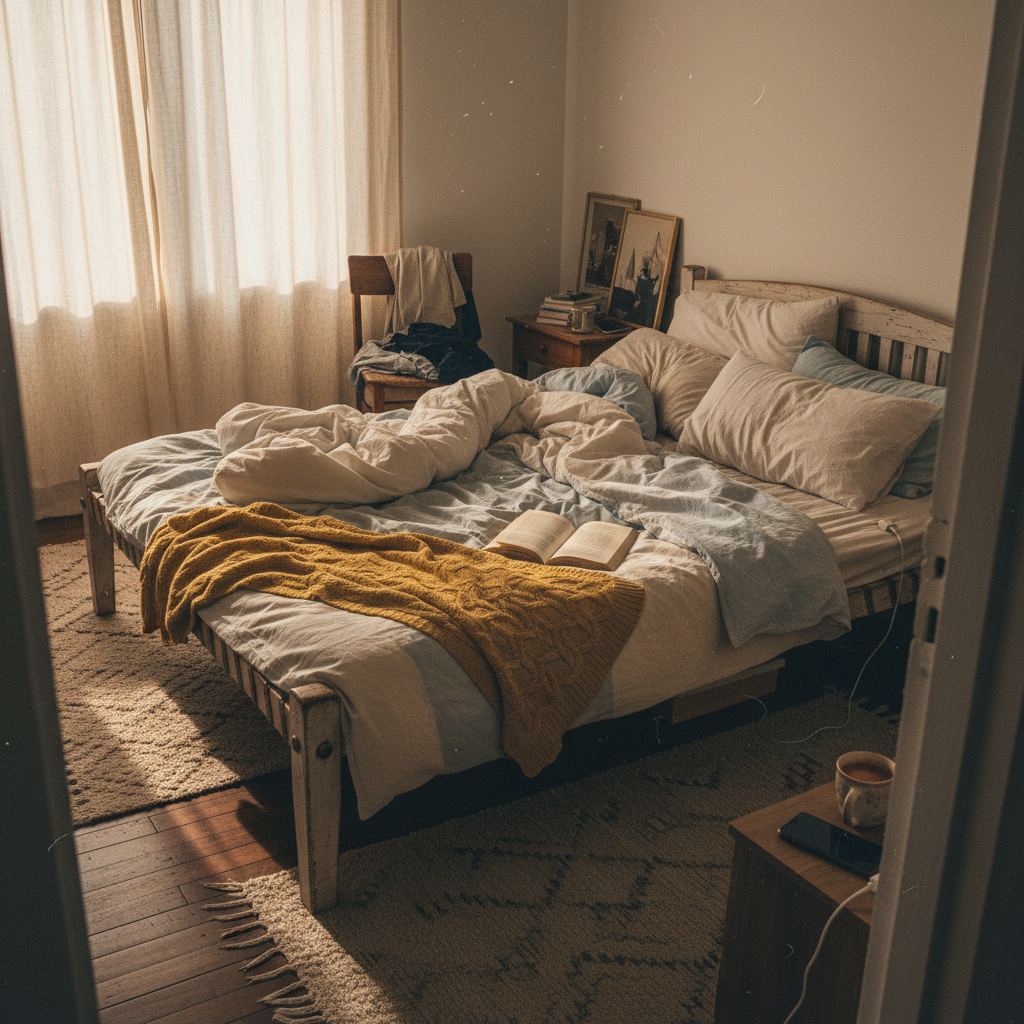
That humble woven cot gets a luxe upgrade here. Modern versions use sturdy teak frames with thick cotton tapes—no box spring needed. The open base keeps air circulating, perfect for humid months. My bed is 60 inches wide and 78 inches long, with a 12-inch height.
I accessorized mine with a natural latex mattress topped with a crisp cotton durrie. The low height makes the ceiling appear higher, and honestly, it’s the most comfortable sleep I’ve ever had. Compared to traditional beds, this offers better airflow. Great for hot climates, but skip if you prefer higher beds.
6. Floating Shelves for Diya Displays
Instead of cluttering surfaces with brass lamps, I installed staggered floating shelves along one wall. Each holds a single diya or incense holder, turning daily rituals into an art installation. My shelves are 4 inches wide and 18 inches long, made from acacia wood.
Use warm-toned wood like sheesham or acacia to complement the metal. Keep shelves narrow (4-6 inches) so they don’t overwhelm. I change the arrangement seasonally—Deepawali gets extra sparkle with mirrored tiles underneath. Compared to tabletop diyas, this keeps surfaces clean. Perfect for daily rituals, but skip if you prefer electric lights.
7. Foldable Floor Seating for Versatility
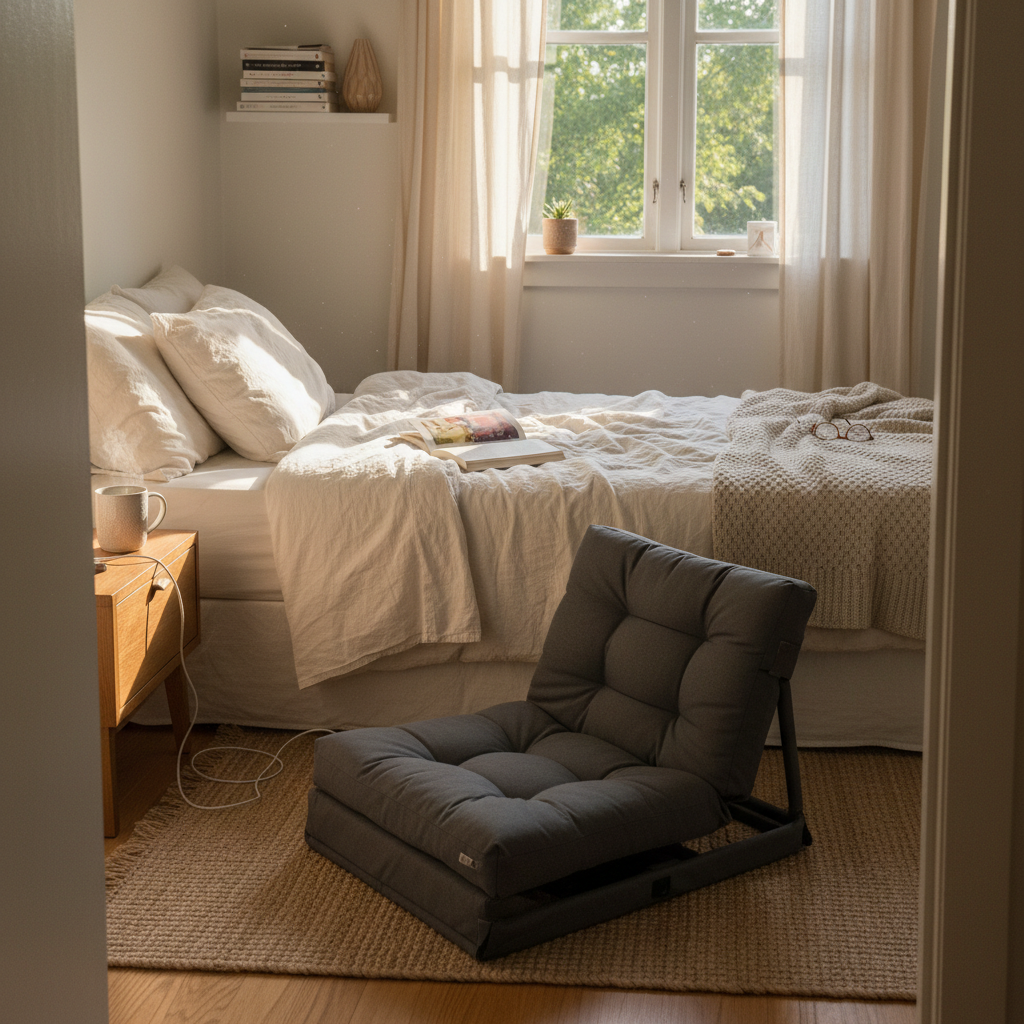
Indian bedrooms often double as guest spaces. These padded floor seats with hidden storage solve so many problems—perfect for morning chai, extra seating during gatherings, and storing blankets when not in use. My seats are 18 inches square and 6 inches high, upholstered in ikat fabric.
I had mine upholstered in durable ikat fabric that hides stains. The best part? They tuck under my bed when I need floor space for yoga. Compared to stools, these are more versatile. Ideal for multifunctional spaces, but skip if you prefer permanent seating.
8. Hand-Painted Accent Wall with Folk Art
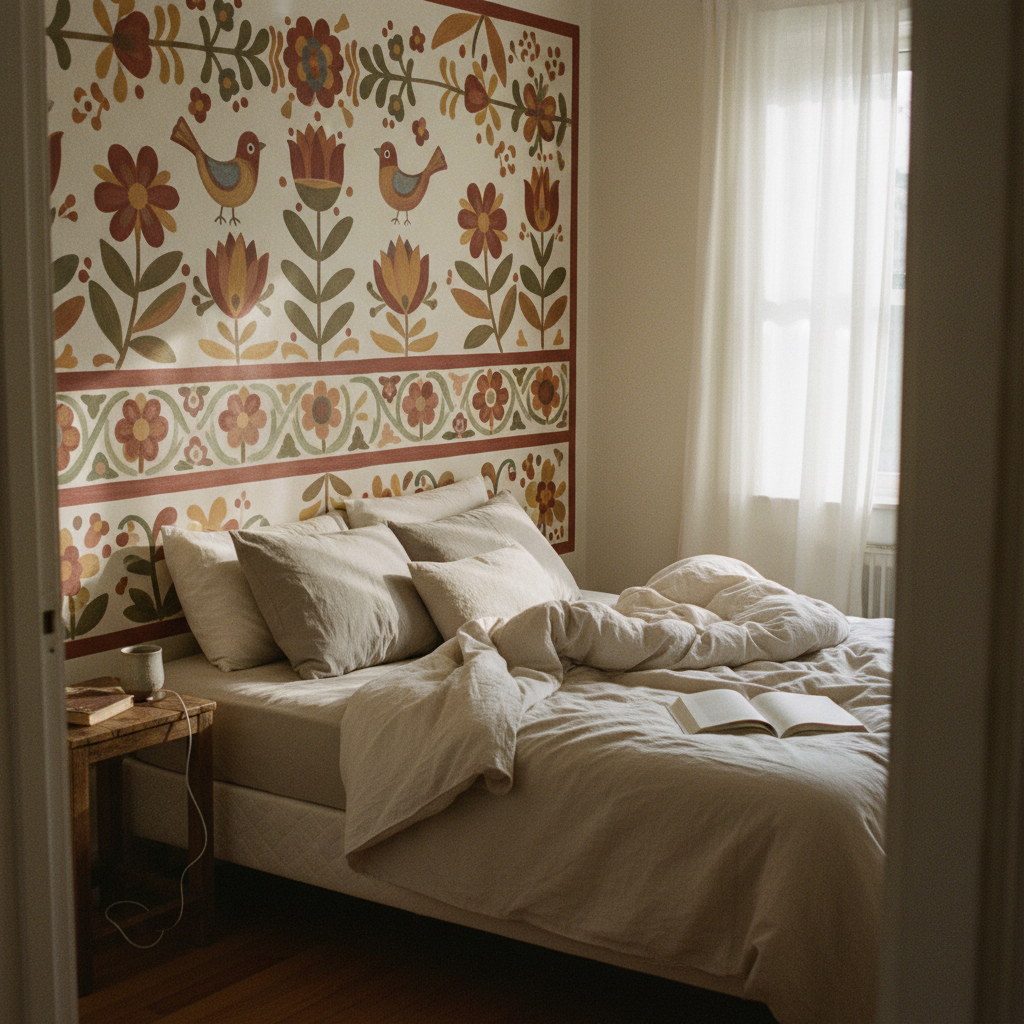
One wall in my bedroom features a giant Warli-style tree painted by a local artist. The monochrome design feels modern yet rooted—and cost less than wallpaper. My wall is 10 feet wide and 8 feet tall, painted in ivory and black.
For temporary versions, try removable wall decals with Madhubani motifs. I added tiny brass hooks to mine for hanging lightweight jewelry, turning functional storage into part of the artwork. Compared to wallpaper, this is more unique. Great for artistic souls, but skip if you prefer plain walls.
9. Underbed Shoe Storage with Ventilation
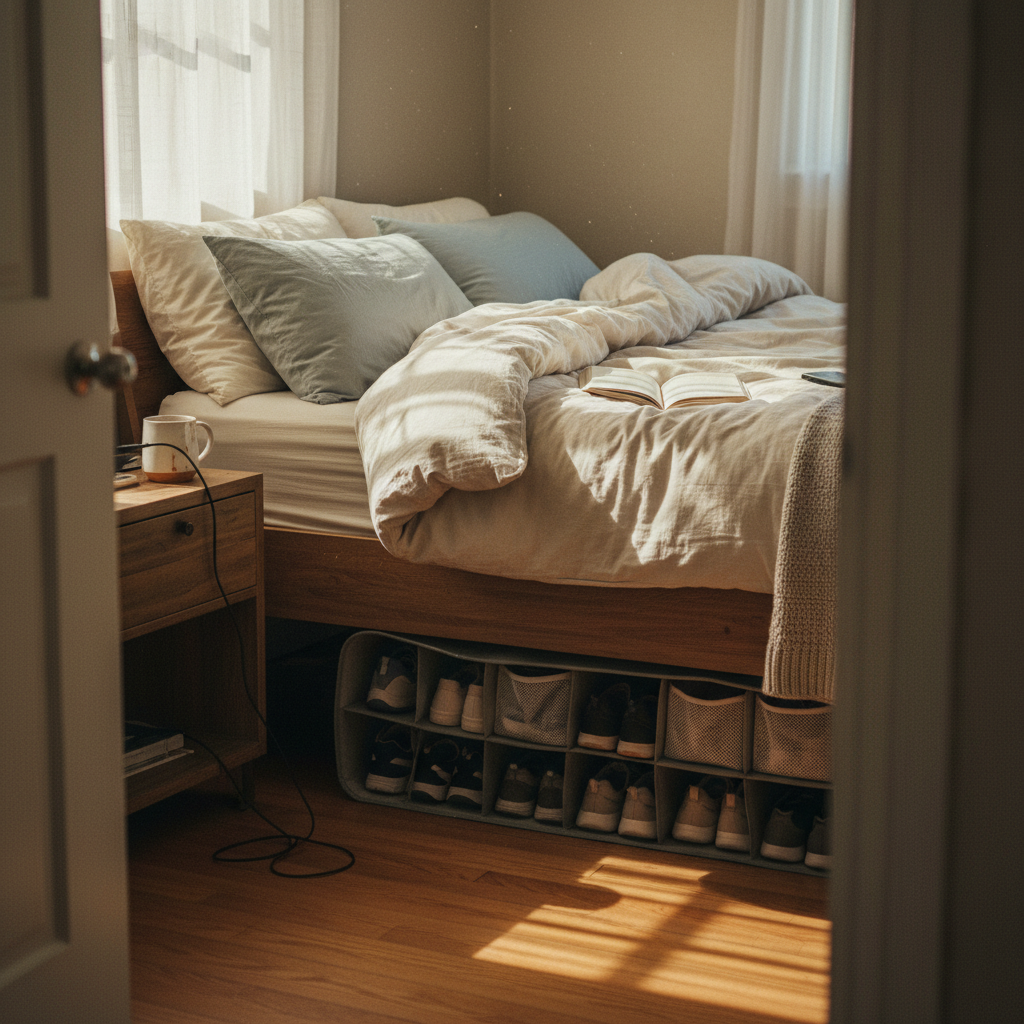
Monsoon season taught me the importance of keeping footwear elevated and aired out. These clear zippered bags fit 12 pairs vertically, with mesh panels that prevent mildew. I organize them by season—sandals up front, closed shoes behind. My bags are 36 inches long and 12 inches wide, made from PVC.
The trick is labeling each bag’s contents on the side with chalk markers. No more digging through piles when I’m running late! Compared to shoe racks, these are more compact. Perfect for shoe lovers, but skip if you have few pairs.
Get a similar shoe organizer on Amazon.
10. Bamboo Room Dividers for Privacy
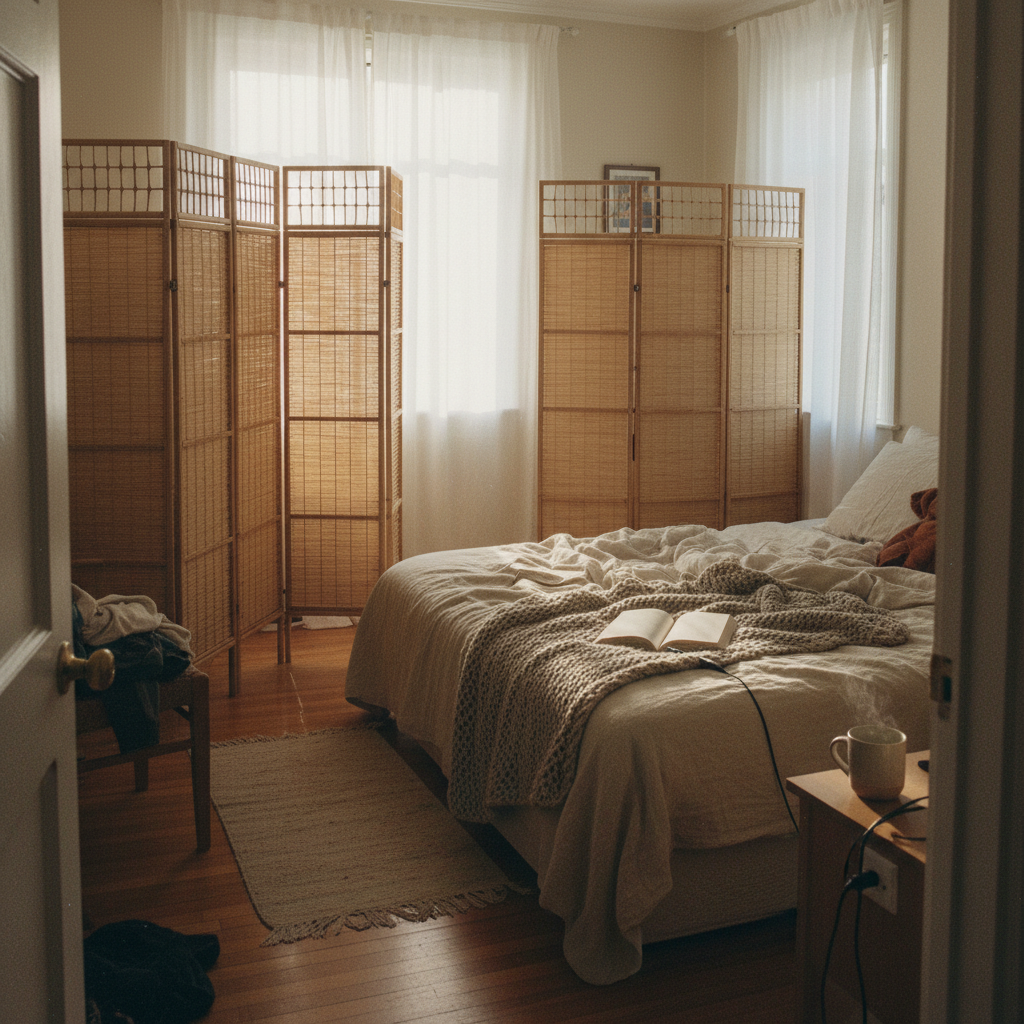
Many Indian homes have bedrooms opening into common areas. These lightweight screens filter light beautifully while creating instant privacy. I chose one with alternating solid and open weave panels—it defines the space without feeling heavy. My divider is 72 inches tall and 48 inches wide, made from bamboo.
Mine doubles as a plant stand—the crossbars perfectly hold small potted herbs. At night, I string miniature lanterns across the top for ambient lighting. Compared to curtains, this is more stylish. Ideal for open-plan homes, but skip if you have ample privacy.
11. Vintage Trunk as Bedside Table
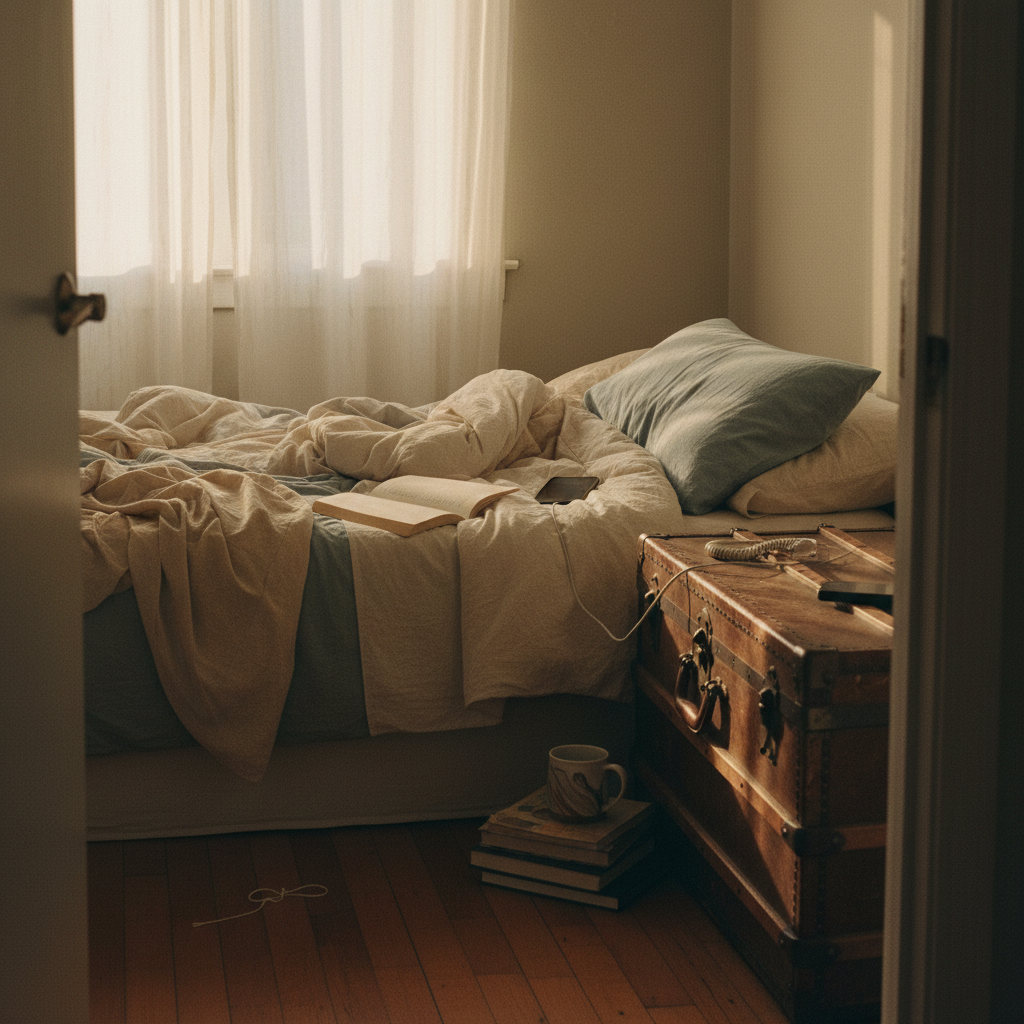
That heirloom steel trunk from my grandmother now holds extra bedding while serving as a nightstand. I topped it with a slab of reclaimed wood to create a flat surface. The patina tells a story no new furniture could match. My trunk is 24 inches wide and 18 inches deep, made from antique steel.
For safety, I lined the interior with cedar planks to deter moths. The best part? Guests always ask about its history—it’s a conversation starter that makes my bedroom feel personal. Compared to modern nightstands, this adds character. Perfect for vintage lovers, but skip if you prefer sleek designs.
12. Fold-Down Wall Desk
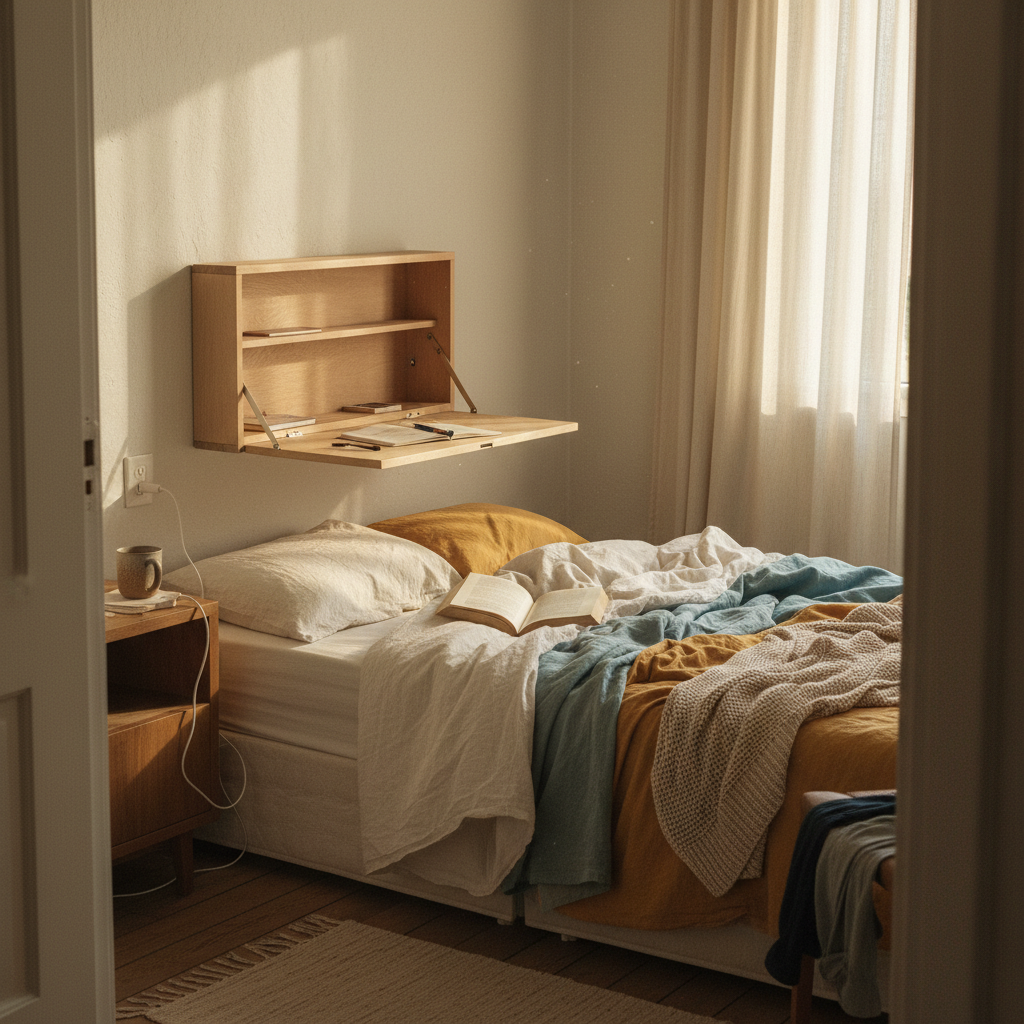
With remote work becoming permanent, I installed a floating desk that folds flush against the wall when not in use. The surface is a reclaimed door with original carvings—functional and artistic. My desk is 36 inches wide and 24 inches deep, made from reclaimed wood.
I keep supplies in a hanging organizer behind it. When folded up, the space transforms back into a serene bedroom. No more staring at work reminders when trying to sleep! Compared to traditional desks, this saves space. Ideal for small bedrooms, but skip if you need permanent workspace.
13. Textile Wall Hanging as Headboard
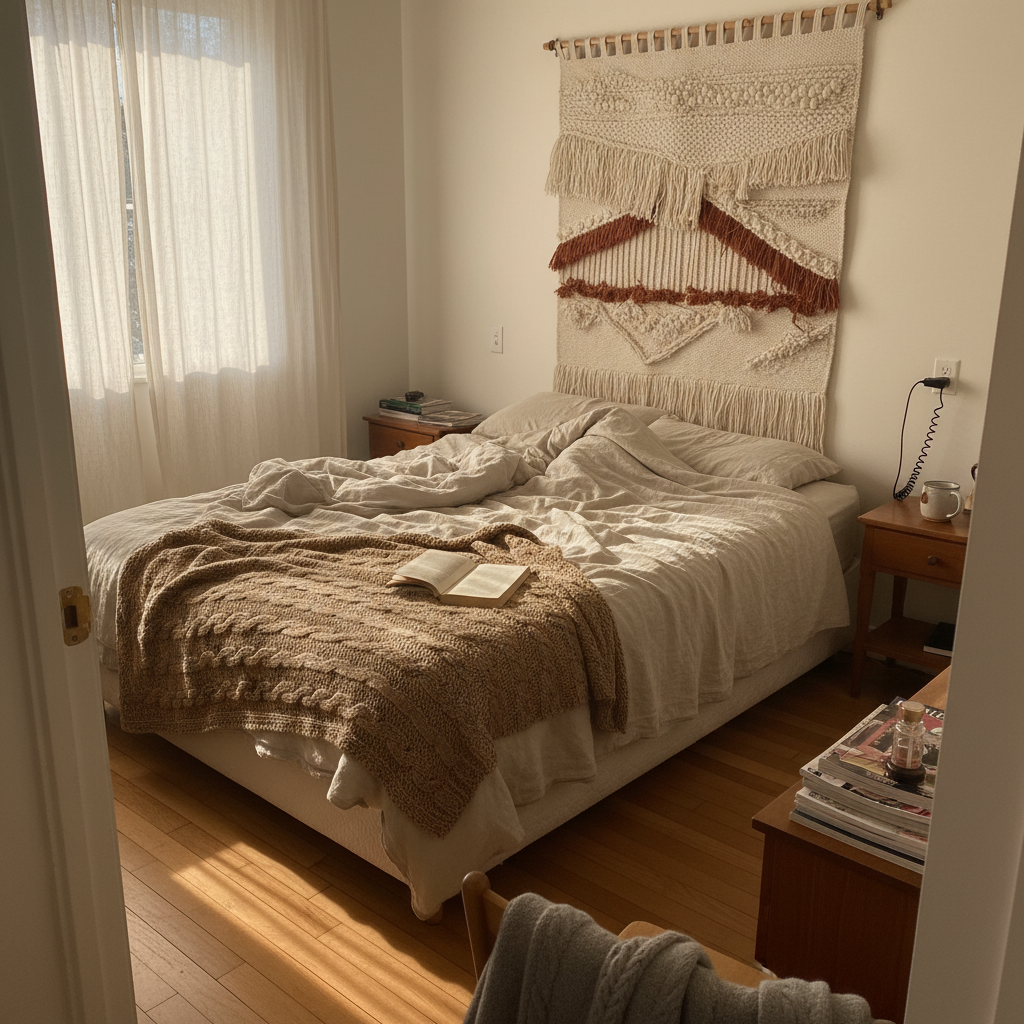
Instead of a traditional headboard, I hung a vintage kantha quilt on my wall using a discreet wooden dowel. The colorful stitching pops against white walls, and it’s easily swapped for seasonal changes. My hanging is 60 inches wide and 40 inches tall, made from cotton.
For a modern twist, try block-printed linen stretched over a frame. The texture adds warmth without the bulk of furniture. Bonus: it muffles sounds from adjacent rooms. Compared to upholstered headboards, this is more versatile. Perfect for textile lovers, but skip if you prefer solid headboards.
14. Corner Swing Seat
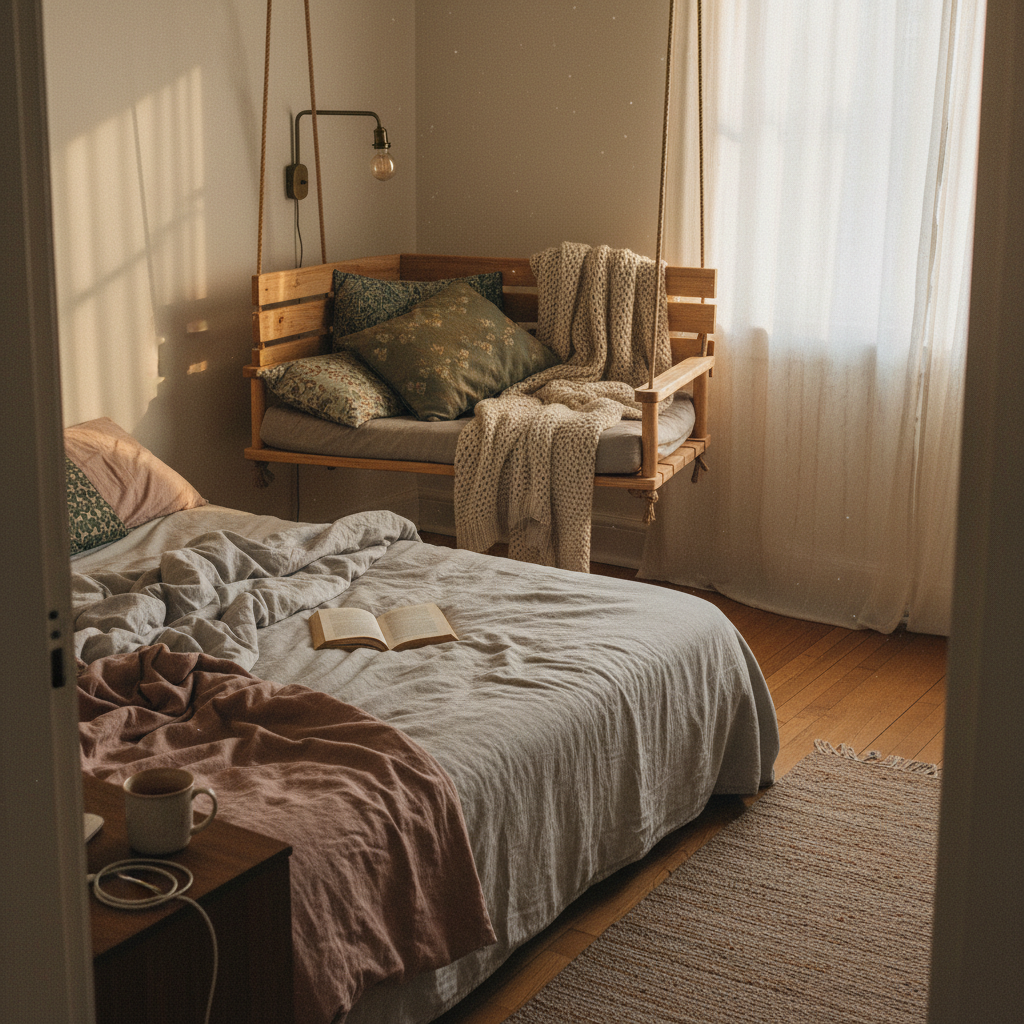
This playful element reminds me of childhood verandas. I suspended a padded wooden plank from the ceiling with thick jute ropes—it’s my go-to spot for afternoon reading. The gentle motion is surprisingly soothing. My swing is 36 inches wide and 18 inches deep, made from teak wood.
Safety first: install into ceiling joists with heavy-duty hooks. I added a fold-out side table that tucks away when not needed. Guests inevitably gravitate toward it—it brings out everyone’s inner child. Compared to chairs, this is more relaxing. Ideal for small spaces, but skip if you have low ceilings.
15. Modular Wardrobe System with Fabric Panels
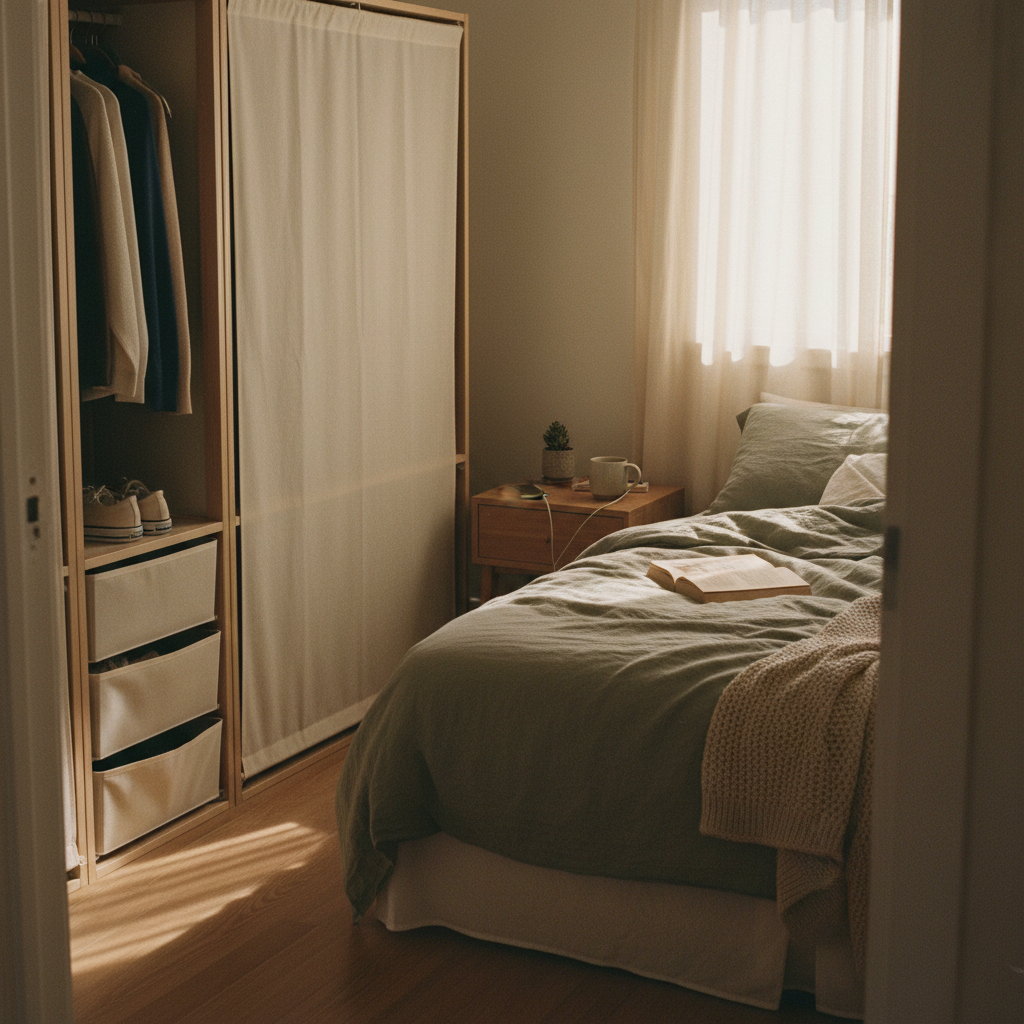
Traditional almirahs can dominate small rooms. My solution? A powder-coated metal frame with curtains instead of doors. The cotton fabric (I used hand-block print) softens the look while allowing easy access. My wardrobe is 72 inches tall and 48 inches wide, with fabric panels.
The secret is organizing clothes by color—it turns your wardrobe into a textural display. I added LED strip lighting inside that turns on when curtains open. Functional and beautiful. Compared to traditional wardrobes, this is more flexible. Ideal for small bedrooms, but skip if you prefer solid doors.
Get a similar storage system on Amazon.
Buying Guide
When designing a bedroom in India, consider these factors:
- Space Optimization: Choose multifunctional furniture like foldable seating and modular wardrobes.
- Climate: Opt for breathable materials like cotton and bamboo.
- Cultural Elements: Incorporate traditional motifs and designs for a personal touch.
- Storage Solutions: Utilize underbed storage and floating shelves to maximize space.
- Aesthetic Balance: Mix modern and traditional elements for a cohesive look.
FAQ
1. How can I make a small bedroom feel larger?
Use light colors, multifunctional furniture, and mirrors to create an illusion of space. Floating shelves and underbed storage help keep the room clutter-free.
2. What are the best materials for Indian climates?
Cotton, bamboo, and teak are ideal as they are breathable and durable, suitable for both hot and humid conditions.
3. How can I incorporate traditional Indian elements without overwhelming the space?
Use subtle motifs in furniture, textiles, and wall art. Balance traditional pieces with modern elements for a harmonious look.
4. What lighting works best for Indian bedrooms?
Use warm, ambient lighting with dimmable options. Incorporate traditional diyas or lanterns for a cultural touch.
5. How can I maximize storage in a small bedroom?
Utilize vertical space with floating shelves, underbed storage, and modular wardrobes. Opt for multifunctional furniture like foldable seating with hidden storage.
Final Verdict
After trying various options, my top pick for Indian bedroom design is the charpai-style platform bed. It blends traditional aesthetics with modern comfort, offering excellent airflow and a minimalist look. The low height creates a sense of spaciousness, perfect for small bedrooms. Adding casters for underbed storage clearance enhances its functionality. This bed is ideal for those who appreciate cultural roots while prioritizing comfort. Whether you’re in a humid region or simply love a minimalist design, this bed is a standout choice.
💾 Found this helpful? Save it to Pinterest!
Share with friends who need kitchen organization help!