What’s Inside
- Anchor with a Cohesive Color Palette (2-3 Main Hues)
- Layer Textures Thoughtfully for Depth
- Mix Furniture Eras with Intention (70/30 Rule)
- Embrace Pattern Play with Varying Scales in Your Eclectic Decor Bedroom
- Curate a Dynamic Gallery Wall
- Incorporate Statement Lighting from Diverse Styles
- Add Greenery with Eclectic Plant Choices
- Choose Bold or Textured Curtains
- Utilize Unexpected Materials and Vintage Finds
- Don’t Underestimate the Power of a Statement Rug
- Consider a Sculptural or Oversized Headboard
- Integrate Personal Treasures and Art
- Embrace “Heritage-Inspired Palettes” for Walls
- Avoid Random Mixing; Seek Common Threads in an Eclectic Decor Bedroom
- Play with Asymmetrical Arrangements
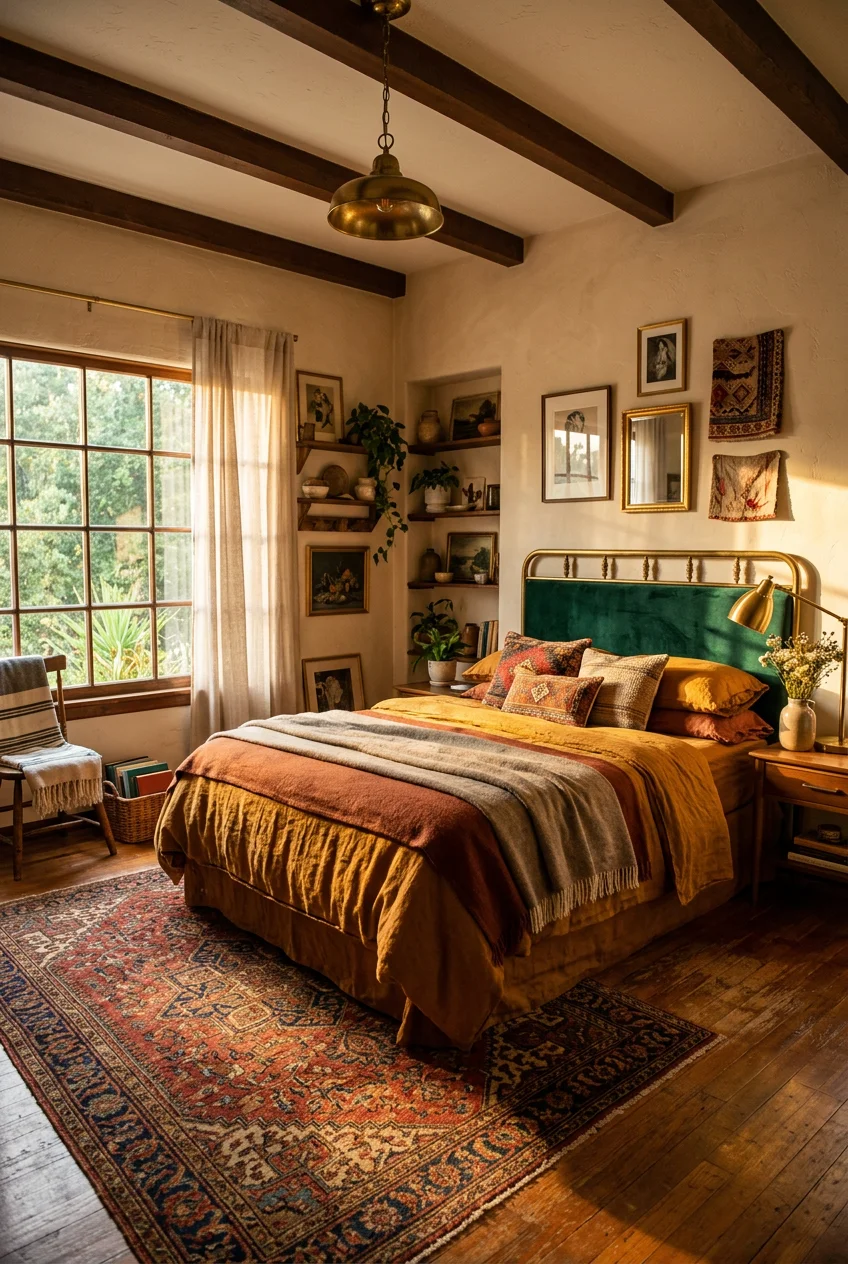
Last October, I tried to design an eclectic bedroom and ended up with a space that looked like a thrift store exploded on a catalog. I bought twenty colorful items without a plan. The result was a chaotic mess that gave me a headache every time I walked through the door. I sat on my bare mattress, staring at a neon pink lamp clashing with a floral rug, and realized I had to start over. Designing a room isn’t about throwing random junk into a space. It requires a clear approach to color, texture, and scale. I spent the next six months studying how designers balance contrasting pieces without making a room feel overwhelming. I learned that you need specific rules to make the weird pieces work together—it took me ages to figure out. Here is exactly how I fixed my space, including the specific measurements, paint colors, and rules I use now for every styling project.
1. Anchor with a Cohesive Color Palette (2-3 Main Hues)

Start your room with a unifying color scheme of two to three main hues. If you skip this step, your room will look messy. I learned that the hard way when I mixed four bright jewel tones at once, so now I start with neutrals. I used Benjamin Moore’s “Baby’s Breath OC-62” on my walls. It costs about $69.99 for a gallon of their Regal Select line, but the coverage is thick enough that I only needed two coats. This soft, creamy white provides a flexible canvas that lets the weird furniture stand out. Once you have a neutral base, you can bring in a bold accent. I added a 65-inch wide deep emerald velvet headboard that cost $450. The rich green grounds the room, while the muted clay-colored linen sheets I bought for $120 keep the contrast from feeling too harsh. Interior designer Emerie Forehand notes that opposites attract in this style, but you still need a dominant baseline to keep the eye rested. Pick your two main colors and stick to them strictly for the large surface areas.
2. Layer Textures Thoughtfully for Depth

Texture is what keeps a room from feeling flat and cheap. I used to buy cheap polyester bedding, and it always made my room look like a dorm. I switched to a $298 linen duvet from Brooklinen. The slightly wrinkled, rough texture of real linen adds immediate visual weight to the bed. I layered that with a chunky $35 faux fur throw from Target at the foot of the bed. The contrast between the matte, breathable linen and the dense, glossy fur creates actual depth. You want your hands to feel different sensations as you move across the room. I incorporated a 24-inch carved wooden nightstand with deep ridges, a smooth metal lamp base, and a scratchy jute rug. Beril Yilmaz, founder of BY Design And Viz, points out that layers of fabric give a room soul. If you buy everything in the same smooth finish, the room feels sterile. Mix matte with shiny, soft with coarse, and woven with solid. It takes a little more effort to source these materials, but the tactile variety is strictly necessary.
3. Mix Furniture Eras with Intention (70/30 Rule)

You need to mix furniture eras, but you have to use the 70/30 rule. About 70 percent of your room needs to feel cohesive in color, shape, or scale. The remaining 30 percent can be wild cards. I tried making every piece a statement piece last year. I put a heavily carved rustic dresser next to a bright yellow acrylic chair and a brass bed. They all fought for attention, creating visual exhaustion. Now, I use a simple $199 mid-century modern wooden chair from Walmart as a quiet supporting piece. My main statement item is a massive, 60-inch tall antique brass bed frame I found for $300. Because the chair and my simple wooden dressers make up 70 percent of the room’s visual weight, the brass bed actually stands out. Don’t fill your space with too many hero pieces. Let one or two items be the star, and force the rest of your furniture to play a supporting, quiet role. This is the only way to mix a rustic wooden dresser with sleek mid-century pieces without it looking like a garage sale.
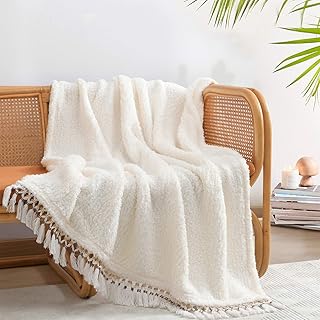
Ultra Soft Cozy Sherpa Throw Blanket
A dependable everyday pick — Ultra Soft Cozy Sherpa Throw Blanket pulls in 45 ratings at 4.5 stars. Not flashy, just solid.
4. Embrace Pattern Play with Varying Scales in Your Eclectic Decor Bedroom

Embrace pattern play with varying scales in your eclectic decor bedroom. Patterns are a core part of this design style, but you have to control the size of the prints. If you put a tiny floral print next to a tiny geometric print, they blur together and look like static. I bought a massive 8×10 foot geometric rug from Jaipur Living for $450. The shapes on the rug are large, about 12 inches wide each. I paired this large-scale pattern with small, thin-striped pillows from Target that cost $22 each. Because the stripes are only a quarter-inch thick, they don’t compete with the giant shapes on the rug. The color story remains consistent with muted clay tones. A common mistake is layering too many bold prints without checking the scale. If your rug has a huge pattern, your curtains need a small pattern or a solid texture. I tried mixing two large-scale floral prints once, and it made the room feel incredibly claustrophobic. Vary the sizes of your patterns to give your eyes a break. You might also like: 15 Stunning Modern Bedroom Lighting to Transform Your Space
5. Curate a Dynamic Gallery Wall

A gallery wall is the most efficient way to inject personality into a blank wall. Instead of buying a matching set of frames, you need to mix finishes. I used a combination of plain black metal frames and heavy, carved wood frames I found at thrift stores for $5 each. I remember the dusty smell of the thrift store when I dug through a bin to find a 10-inch brass oval mirror. I added that mirror right in the middle of my art prints. The reflective glass breaks up the flat paper surfaces. Don’t hang everything in a perfect grid. I vary the heights, leaving exactly 2.5 inches of space between the edges of completely different shapes. You can also hang textiles or small woven baskets. I nailed a flat, 12-inch woven basket to the wall right next to a modern black-and-white photograph. Keeping the color palette of the art itself limited to three colors stops the mismatched frames from looking chaotic. Trust me on this. You might also like: 19 Aesthetic Room Decor Ideas Bedroom Wall Worth Trying
6. Incorporate Statement Lighting from Diverse Styles

Lighting fixtures are where you can safely break the rules of whatever era you chose for your furniture. If your furniture is mostly heavy and traditional, add a modern, airy light fixture. I bought an 18-inch wide rattan pendant light from World Market for $89. The woven texture casts great shadows on the ceiling, adding a natural touch. For the bedside, don’t buy matching lamps. That immediately looks like a hotel room. On the left side of my bed, I use a heavy, 20-inch tall ceramic table lamp with a linen shade that cost $65. On the right side, I installed a hardwired brass adjustable wall sconce from Amazon for $45. The wall sconce frees up space on my smaller nightstand, and the brass finish contrasts heavily with the ceramic lamp. The asymmetry feels intentional and curated. The only tradeoff is that hardwiring a sconce takes about an hour of electrical work, but the clean look without dangling cords makes it worth the effort. You might also like: 19 Aesthetic French Bedroom You Need to See

Leeleberd Led Lights for Bedroom 100 ft (2 Rolls of 50ft)
Honestly, Leeleberd Led Lights for Bedroom 100 ft (2 Rolls of 50ft) Music Sync C surprised me — sturdier than it looks in the photos, and over 203 buyers gave it 4.5 stars.
7. Add Greenery with Eclectic Plant Choices

Houseplants instantly soften harsh furniture lines and bridge the gap between different design eras. I use a mix of tall, structural plants and soft, trailing ones. I bought an Easyplant Snake Plant for $79. It sits in a 10-inch ceramic pot and stands about three feet tall. The rigid, sword-like leaves add great vertical height next to my low-profile dresser. To balance that stiffness, I picked up a trailing golden pothos from Trader Joe’s for just $5.99 while I was buying groceries last Tuesday. I put the pothos in a cheap plastic nursery pot inside a decorative woven basket on my top shelf. The vines drape down about 24 inches, softening the hard corner of the room. Use plant stands of varying heights to create levels. I use a 15-inch wooden stool for my snake plant to lift it off the floor. Mixing the rigid, architectural shape of the snake plant with the messy, organic vines of the pothos perfectly matches the mismatched vibe of the room.
8. Choose Bold or Textured Curtains

Curtains take up a massive amount of visual real estate, making them a huge opportunity for texture. I completely gave up on cheap, flimsy sheer panels. They do nothing for the design. I invested in the Riviera Stripe Cordless Roman shade from Pottery Barn. They cost $249 per shade, but the heavy cotton fabric and crisp folds instantly finished the window. The cordless mechanism is also much safer and looks significantly cleaner. For a trending 2026 approach, layer these structured shades with heavy drapery in a rich color. I hung 96-inch deep burgundy velvet curtains on a matte black rod mounted right near the ceiling. The velvet adds incredible drama and blocks out the streetlights perfectly. The heavy fabric pools slightly on the floor, adding about two inches of extra length for a relaxed, luxurious feel. The tradeoff is that velvet is an absolute magnet for pet hair, so I must run a lint roller over the bottom foot of the curtains every single week.
9. Utilize Unexpected Materials and Vintage Finds

Eclectic design demands the interplay of old, raw materials with new, polished ones. You can’t buy this look entirely from a modern catalog. I spent a Saturday morning hunting through a local flea market. I grabbed an $8.99 breakfast sandwich from Whole Foods and walked the aisles until I found a heavily rusted, 30-inch metal storage trunk for $45. The dented metal feels cold to the touch and smells faintly of old motor oil. I scrubbed it down and now use it at the foot of my bed to store extra blankets. Placing that battered, industrial metal trunk right next to my pristine, soft linen duvet creates serious friction. That friction is exactly what makes the room interesting. You can also use reclaimed wood or heavy glass. A surprising tip I learned from a boutique hotel in Austin is to use a salvaged, heavy wooden door panel as a headboard. The chipped paint and historical weight of the wood anchor the bed much better than a generic upholstered frame.

SUOXING Bedside Wall Organizer for Bedroom,Rv,Small Rooms
If you want something that just works, SUOXING Bedside Wall Organizer for Bedroom is a safe bet (214 reviews, 4.5 stars).
10. Don’t Underestimate the Power of a Statement Rug

Don’t underestimate the power of a layered statement rug. A tiny rug floating in the middle of the room ruins the scale of everything else. You need a rug large enough that at least the front two legs of your bed and nightstands sit on it. For my queen bed, I bought a massive 8×10 foot chunky jute rug from Costco for $150. The natural, coarse fibers provide a tough, neutral base that covers most of my ugly apartment carpeting. Since jute alone feels rough on bare feet, layering provides the solution. I placed a smaller, 5×7 foot deep wool pile rug directly on top of the jute, positioned right where I step out of bed. The wool rug features an abstract, brush-stroke design in navy and clay. This layering technique adds incredible depth without overwhelming the room with one giant pattern. The Costco jute rug sheds a bit of dust underneath, which is annoying to vacuum, but the layered look is completely worth the extra ten minutes of cleaning.
11. Consider a Sculptural or Oversized Headboard

A standard 24-inch headboard often gets lost behind a pile of decorative pillows. Trending right now are sculptural and oversized headboards that add serious architectural drama. I upgraded to a 60-inch tall upholstered headboard from Wayfair that cost $350. It features a curved, scalloped edge that reaches almost halfway up my wall. The sheer size of it creates a cocooning effect around the bed. Genevieve Love Lake of Love Lake Studio notes that extending a headboard creates a sense of luxury, especially when paired with heavy drapery. The tall backrest forces the eye upward, making 8-foot ceilings feel taller. The velvet upholstery is soft and comfortable to lean against when I read at night. The only negative is that a headboard this large absorbs a lot of light, so you must make sure your bedside lamps are bright enough to compensate. I use 800-lumen LED bulbs in my lamps to keep the dark fabric from making the corner feel like a cave.
12. Integrate Personal Treasures and Art

Your bedroom has to reflect your actual life, not just a store display. Displaying items with sentimental value is a core element of this style. A room full of brand-new decor feels sterile and fake. I keep a small, 6-inch rough clay pot on my dresser that I bought for $12 from a street vendor in Mexico three years ago. The clay is uneven and slightly chipped on the rim. Last Friday, I bought a $4.99 bundle of dried eucalyptus from Sprouts and arranged it in the pot. The scent of the eucalyptus mixes with the earthy smell of the clay. I also have a heavy, jagged piece of quartz I found on a hike acting as a bookend for my design books. These treasures add weird shapes you can’t find in mass-produced decor lines. They make the space feel lived-in. Don’t hide your travel souvenirs in a closet. Put them on a tray on your dresser or intersperse them on your floating shelves to break up the straight lines of your books.

Bedsure GentleSoft White Throw Blanket for Couch
If you want something that just works, Bedsure GentleSoft White Throw Blanket for Couch – Cozy Soft Fleece Su is a safe bet (236 reviews, 4.5 stars).
13. Embrace “Heritage-Inspired Palettes” for Walls

Stark white walls can make an eclectic room feel like an art gallery instead of a bedroom. You want warmth. Heritage-inspired palettes featuring rich plums, earthy terracotta, or muddy greens are much better backdrops. I tested five grays before realizing they looked too cold in my north-facing room. I finally switched to Benjamin Moore’s “Vintage Charm 1455”, a muddy, muted plum color. I bought a gallon of their premium Aura line for $75. The paint is thick, smells surprisingly mild, and dries to a beautiful matte finish. This warm, heritage tone wraps the room in color without shouting. It makes my brass mirrors and wooden furniture pop beautifully. If plum is too dark for you, a soft, warm taupe or clay color works just as well. The goal is to choose a wall color that looks like it has a little bit of dirt mixed into it. Those muddy, complex colors provide a sophisticated background that handles the chaos of mismatched furniture much better than a pure, bright white.
14. Avoid Random Mixing; Seek Common Threads in an Eclectic Decor Bedroom

You must avoid random mixing; seek common threads in an eclectic decor bedroom. If you just throw disparate items together, it looks like a junk drawer. You have to identify one or two common elements to tie the different styles together. For my room, the common thread is the wood finish. I own a mid-century modern chair, a Victorian-era carved mirror, and a rustic farmhouse bench. They are completely different styles, but they all feature a medium-dark walnut wood tone. To make sure they matched, I spent a Saturday morning polishing all the vintage pieces with Howard Feed-N-Wax wood polish. I bought a 16-ounce bottle for $15 and a $3.50 pair of yellow cleaning gloves from Kroger. The beeswax smell filled the room, and the polish deepened the grain so the pieces looked related. You can use wood tones, a specific metal finish like aged brass, or a repeating shape as your common thread. This invisible string is what makes the brain accept the different eras as a cohesive collection rather than a mess.
15. Play with Asymmetrical Arrangements

Stop buying matching bedroom sets. Perfectly symmetrical bedside tables are the enemy of this design style. Instead, I play with asymmetrical arrangements to force the eye to move around the room. On the left side of my bed, I use a low-profile, 20-inch tall round metal table that cost $80. It has a cold, smooth surface and thin legs. On the right side, I use a much larger, 30-inch tall rectangular rattan dresser that cost $150. To balance the visual weight, I hung a large piece of art lower on the wall above the short metal table, and I placed a tall lamp on the taller rattan dresser. The juxtaposition of the cold metal circle and the warm, woven rectangle adds immediate visual interest. It feels gathered over time rather than purchased in one click. I bumped my elbow on the taller dresser a few times before getting used to the layout, but the unstaged vibe is exactly what makes the room work. No exaggeration.
Creating this look takes patience. You can’t rush out and buy everything on the same day. I’ve spent months swapping out lamps and rugs until the balance felt right. I highly recommend starting with your wall color and your rug, then slowly layering in the weird, vintage pieces you find over time. Don’t be afraid to make mistakes. I certainly did. Pin this guide so you keep these exact measurements and rules handy the next time you’re standing in a thrift store wondering if a piece will actually work in your space.

Macrame Wall Hanging Shelf
Honestly, Macrame Wall Hanging Shelf – Boho Shelves Bedroom Decor | Macrame Wall surprised me — sturdier than it looks in the photos, and over 274 buyers gave it 4.5 stars.
Frequently Asked Questions
What is the 70/30 rule in eclectic bedroom design?
The 70/30 rule suggests keeping 70 percent of your room cohesive in color or style, while the remaining 30 percent acts as wild card pieces. This prevents the space from feeling chaotic while still allowing for bold, contrasting elements.
How do I mix patterns in an eclectic decor bedroom?
Control the scale of your prints. Pair a large-scale geometric rug with small, thin-striped pillows. Keeping the color palette consistent across different patterns ensures they complement each other instead of clashing and overwhelming the eye.
What are the best wall colors for an eclectic bedroom?
Warm, muddy neutrals and heritage tones work best. Instead of stark white, opt for soft clay, taupe, or deep plum. These complex colors provide a sophisticated backdrop that anchors mismatched vintage and modern furniture beautifully.
How do I make mismatched nightstands look intentional?
Use asymmetrical arrangements to balance visual weight. If you place a low metal table on one side and a tall wooden dresser on the other, balance the heights by hanging art lower over the short table and placing a tall lamp on the dresser.
