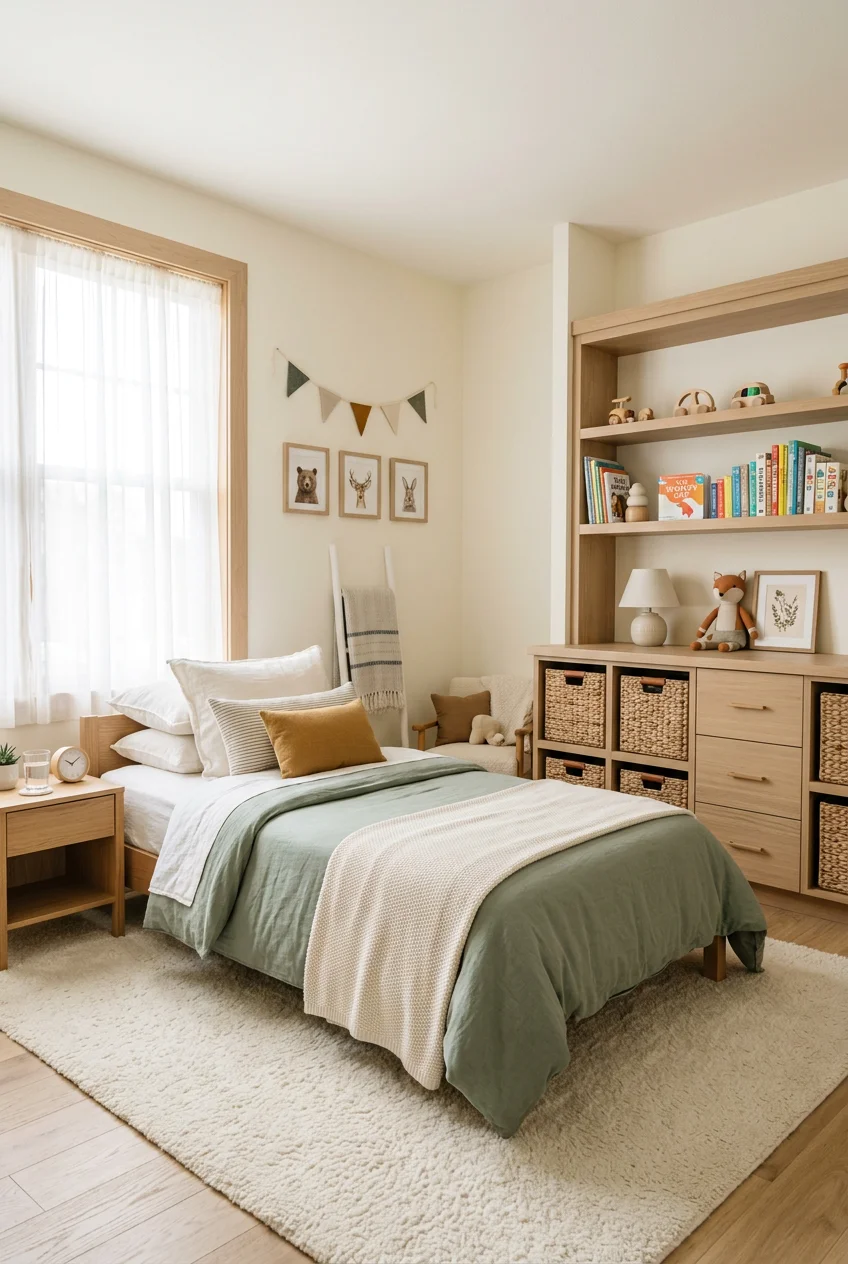
What’s Inside
- Embrace the Power of Montessori Toy Rotation
- Prioritize Child-Friendly Accessibility with Low Shelving
- Maximize Vertical Space with Wall-Mounted Solutions
- Invest in Multi-Functional Beds for Hidden Storage
- Utilize Clear, Labeled Bins for Quick Identification
- Implement a “Too Small” Bin in the Closet
- Optimize Closet Space with Double Hanging Rods
- Embrace Rolling Under-Bed Storage Solutions
- Involve Children in the Kids Bedroom Organization Process
- Avoid Over-Themed Decor for Better Longevity
- Create Defined “Zones” Within the Room
- File Fold Clothes for Maximum Drawer Efficiency
- Repurpose and Upcycle Old Furniture
- Prioritize Safety with Secured Furniture
- Schedule Regular Decluttering and Reset Sessions
- Utilize Over-the-Door Organizers for Small Items
- Contain Stuffed Animals with Corner Hammocks
- Deploy Rolling Art Carts for Craft Supplies
Walking into a child’s room shouldn’t feel like navigating a minefield of sharp plastic bricks and half-dressed dolls. Good organization is the difference between a peaceful bedtime and a stressful, chaotic mess. Most people tackle this by buying giant, bottomless toy boxes and wondering why the room still feels overwhelming. That just creates a dumping ground where the good toys get crushed at the bottom. We need systems that actually work for little hands. I’ve put these methods together based on what holds up to daily wear and tear. If you only try one idea, make it #1. Here’s why: rotating a small selection of toys kills the visual noise that causes overstimulation, making the room instantly calmer and easier to clean. It took me years to realize that less is truly more.
Skip this if you’re looking for a sterile, museum-quality look. These systems are for living, breathing children who make messes, spill things, and drag dirt indoors. If you want a room that looks untouched by human hands, this practical approach isn’t for you.
1. Embrace the Power of Montessori Toy Rotation

A big mistake parents make is keeping every single toy out at all times. This creates chaos and actually cuts down on the time kids spend playing with individual items. The Montessori toy rotation method solves this by limiting options. Display just 5 to 12 toys on low, open shelves. Store the rest out of sight in opaque bins in a closet or garage. Every two to three weeks, swap them out. This reduces clutter and promotes deeper, focused play. A basic wooden shelving unit from Target’s Pillowfort line (usually $60 to $90) works perfectly. The catch: this needs ongoing parental effort and a dedicated storage space elsewhere to hide the extra toys. Best for: homes with toddlers and preschoolers who get overwhelmed easily.
2. Prioritize Child-Friendly Accessibility with Low Shelving

Kids can’t put their things away if they can’t reach the shelves. For toddlers, bookshelves should sit around 24 to 30 inches high. For kids 3 to 7, 36 to 42 inches is the sweet spot. Classic Montessori shelves usually sit at 24 to 36 inches high and measure 11 to 12 inches deep. This depth lets books face outward, so pre-readers can see the covers and pick what they want without pulling everything onto the floor. Brands like Sprout Kids have great front-facing options, though you can find budget-friendly ones at Walmart for under $50. The catch: low shelving sacrifices vertical storage, which can be tough in a tiny room where every inch of floor space counts. Best for: encouraging independent cleanup.
3. Maximize Vertical Space with Wall-Mounted Solutions

When floor space is non-existent, look to the walls. Floating shelves or pegboards are great for storing books, small toys, or art supplies. A set of basic IKEA LACK wall shelves ($15 to $25 each) looks clean and holds a surprising amount of weight. Pegboards are handy because the hooks can change as your child’s needs evolve from wooden blocks to craft supplies. The catch: installing these means drilling into studs or using heavy-duty drywall anchors, which might violate a lease or require patching later. Best for: small, dark rooms where bulky furniture blocks the light.

Leeleberd Led Lights for Bedroom 100 ft (2 Rolls of 50ft)
Leeleberd Led Lights for Bedroom 100 ft (2 Rolls of 50ft) Music Sync C punches above its price — 204 buyers rated it 4.5 stars. The kind of pick people reorder.
4. Invest in Multi-Functional Beds for Hidden Storage

A standard bed frame is a waste of storage potential. Beds with built-in drawers or cubbies do double duty. The IKEA SLÄKT bed series or similar options from Pottery Barn Kids (mid-tier to premium pricing) offer deep drawers that hold everything from winter bedding to massive collections of blocks. A storage ottoman at the foot of the bed (often found at HomeGoods for $50 to $150) gives them a place to sit while putting on shoes and hides stuffed animals. The catch: beds with built-in drawers are heavy and hard to move, making cleaning underneath a major chore.
5. Utilize Clear, Labeled Bins for Quick Identification

Opaque bins are where toys go to be forgotten. Clear acrylic or plastic bins let children see what’s inside, which cuts down on the frantic dumping of every container just to find one action figure. For younger kids who aren’t reading yet, picture labels are a life-saver. Target’s Brightroom brand has great 11-inch clear bins (around $10 to $15 each) that fit into standard cube organizers. Avoid buying dozens of tiny bins. Kids just dump them out and mix everything into a pile. The catch: clear bins mean the clutter is always visible, so the toys inside need to be somewhat organized, or the room will still look messy. Trust me.
6. Implement a “Too Small” Bin in the Closet

One of the biggest sources of closet clutter is outgrown clothes taking up hanger space. Keep a dedicated, opaque bin on the floor of the closet for items that no longer fit. When a shirt rides up or pants become high-waters, toss them straight into this bin instead of hanging them back up. Once it’s full, vacuum-seal the contents for a younger sibling or drop the bag at a donation center. A sturdy 15-gallon tote from Lowe’s or Home Depot (usually under $15) is perfect. The catch: you have to remember to empty the bin, otherwise it just becomes a permanent, overflowing fixture.

AMKUFO 6 Pack-Closet-Organizers-and-Storage
AMKUFO 6 Pack-Closet-Organizers-and-Storage punches above its price — 53 buyers rated it 4.5 stars. The kind of pick people reorder.
7. Optimize Closet Space with Double Hanging Rods

Kids’ clothes are short. Hanging them on a standard-height rod wastes three feet of space below. Installing a second rod at a lower height doubles your capacity. This also puts clothes at the child’s eye level, making it easier for them to pick their own outfits and put away laundry. Adjustable closet systems from stores like The Container Store can be reconfigured as the child grows. The catch: a second rod means you can’t store tall items like hampers or large toy boxes on the floor. Best for: homes with large wardrobes and minimal dresser space. You might also like: 17 Country Teen Bedroom That Actually Work
8. Embrace Rolling Under-Bed Storage Solutions

If a new bed isn’t in the budget, the space under a standard frame is the next best thing. Rolling bins are ideal for stashing out-of-season clothes, extra blankets, or board games. The IKEA KUSINER under-bed storage box ($10 to $15) has a soft cover that keeps dust out while remaining easy for little hands to pull. Hard plastic rolling bins from Walmart are another solid option for heavier stuff. The catch: this only works if you measure the clearance height. Most bins need 6 to 8 inches, and many modern platform beds sit much lower. You might also like: 15 Aesthetic Bedroom Ideas for Every Budget
9. Involve Children in the Kids Bedroom Organization Process

A perfectly organized room means nothing if the child doesn’t understand the system. Kids are much more likely to maintain a space if they help set it up. Ask for their input on where toys should live. A common mistake is organizing while they’re at school, only to have them destroy it in five minutes because they can’t find anything. Make tidying a team effort. The catch: organizing with a child takes three times longer, and you’ll have to compromise on your aesthetic choices. Best for: older toddlers and school-aged kids who understand basic categories. You might also like: 20 Teen Girl Bedroom Worth Trying

BOLUO Stackable Storage Drawers Closet Organizers and
A dependable everyday pick — BOLUO Stackable Storage Drawers Closet Organizers and Storage Fabric W pulls in 420 ratings at 4.5 stars. Not flashy, just solid.
10. Avoid Over-Themed Decor for Better Longevity

Painting a room bright red and buying a racecar bed sounds fun for a three-year-old, but it’s a headache when they turn six and hate cars. A smarter approach is keeping the base layers neutral. Paint walls a soft white or warm beige, and add their current obsession through swappable things like bed sheets, throw pillows, and canvas bins. This saves hundreds of dollars in redecorating costs. The catch: neutral walls can feel a bit sterile initially, requiring more effort to inject personality through art.
11. Create Defined “Zones” Within the Room

When a bedroom is for sleeping, playing, and homework, the activities bleed together into one mess. Creating distinct zones contains the chaos. Use a rug to define the play area. Place a small desk and a rolling cart near the window for a homework zone. The IKEA RÅSKOG utility cart ($30 to $50) is perfect for holding markers and paper. The catch: zoning needs square footage. In a tiny 10×10 bedroom, this is nearly impossible without making the space feel cramped.
12. File Fold Clothes for Maximum Drawer Efficiency

Stacking clothes in a dresser is a guaranteed mess. The child pulls a shirt from the bottom, and the whole stack topples. The solution is file folding. Fold garments into small rectangles and stand them upright, like files in a cabinet. This lets you see every item at a glance and maximizes drawer space. It works great for toddler leggings and t-shirts. The catch: file folding takes practice, and clothes will fall over if the drawer isn’t packed tightly enough.

Bedsure GentleSoft White Throw Blanket for Couch
Bedsure GentleSoft White Throw Blanket for Couch – Cozy Soft Fleece Su punches above its price — 24 buyers rated it 4.5 stars. The kind of pick people reorder.
13. Repurpose and Upcycle Old Furniture

You don’t need brand new, matching furniture to have an organized space. Repurposing old pieces is budget-friendly. An unused dresser from a guest room can be sanded, painted a fun color, and turned into a toy chest. Wooden crates from a craft store like Michaels (under $20 each) can be stacked to create rustic shelving for books. The catch: upcycling takes time, effort, and basic DIY skills to ensure the piece is safe and looks intentional. Best for: tight budgets and parents who like weekend projects.
14. Prioritize Safety with Secured Furniture

This is non-negotiable. Every piece of heavy furniture must be secured to wall studs. Dressers and bookshelves pose a massive tipping risk. The U.S. Consumer Product Safety Commission reports thousands of injuries every year from falling furniture. Don’t rely on the flimsy plastic zip-ties that come in the box. Invest in heavy-duty metal anti-tip hardware or safety straps ($10 to $20 at hardware stores). The catch: installing proper anchors means drilling holes into your drywall, which will need patching if you ever move the furniture.
15. Schedule Regular Decluttering and Reset Sessions

No system is self-sustaining. Clutter will accumulate. The trick is catching it before it gets overwhelming. Do a quick, five-minute tidy-up before bed. Then, schedule a deeper weekly reset on Sunday afternoons to put stray items back in their bins. Plan a major decluttering session before birthdays or holidays to clear out broken or outgrown toys. The catch: sticking to a schedule takes discipline. It’s easy to skip the daily tidy when you’re exhausted, which leads to a massive job by the weekend.

Ultra Soft Cozy Faux Fur Throw Blanket
Ultra Soft Cozy Faux Fur Throw Blanket is sturdier in person than the photos suggest — over 11 buyers gave it 4.5 stars.
16. Utilize Over-the-Door Organizers for Small Items

The back of a bedroom or closet door is prime real estate. A clear plastic shoe organizer is perfect for wrangling tiny, lost items. Use the 4-inch pockets to sort action figures, doll accessories, or hair ties. Brands like Whitmor sell these at Target or Amazon ($10 to $20). Because they’re clear, the child can see where everything is without dumping out a giant bin. The catch: loading up a door adds weight, which can make hinges sag or scratch the frame if the hooks don’t fit perfectly.
17. Contain Stuffed Animals with Corner Hammocks

Stuffed animals are hard to organize. They’re bulky and take up too much floor or bed space. A toy hammock in a corner gets these plush toys off the ground while keeping them visible. You can find simple mesh hammocks at Walmart or online (under $15). It uses dead space high on the wall. The catch: once it’s hung high enough to be out of the way, the child will need an adult’s help to reach the toys, which defeats the goal of independent play.
18. Deploy Rolling Art Carts for Craft Supplies

Art supplies are the enemy of a clean bedroom. Markers lose caps, paper scatters, and crayons get ground into the rug. A 3-tiered metal rolling cart is the ultimate containment strategy. Dedicate the top tier to daily items like crayons, the middle to paper, and the bottom to messier items like paint. The cart can roll into the kitchen for supervised craft time and back into the closet when finished. The catch: open carts offer no protection against dust, and if a toddler pulls on the side, the whole thing can tip over.
How we chose these ideas: We looked at these storage solutions based on renter-friendliness, cost, and daily effort. We focused on realistic methods that handle high-traffic wear and tear, prioritizing accessibility over magazine aesthetics. Learned that the hard way.
Getting a kid’s room under control doesn’t require a massive budget or a design degree. It just needs practical systems that match how children actually use their space. Start with the toy rotation, anchor your heavy furniture, and stop buying opaque bins. I’d suggest tackling one corner at a time so you don’t get overwhelmed. If you found these tips helpful, pin this article to your home decor boards so you can reference it during your next weekend project. No exaggeration.
Frequently Asked Questions
What is the best way to organize a kid’s bedroom?
The most effective method is implementing a toy rotation system and using low, accessible shelving. Limiting the number of toys available at one time reduces visual clutter and prevents overstimulation, making it easier for children to maintain the space themselves.
How do you organize kids’ clothes in a small closet?
Install a second hanging rod at a lower height to immediately double your hanging space. Use a dedicated bin on the closet floor to catch outgrown clothes, and file-fold smaller items in dressers to maximize drawer efficiency.
Are clear bins better for kids bedroom organization?
Yes, clear bins allow children to see exactly what is inside without dumping the contents on the floor. For pre-readers, adding picture labels to the front of the bins further helps them identify where specific toys belong.
How high should shelves be in a kid’s room?
For maximum accessibility, shelves should be at the child’s height. Toddler bookshelves should sit around 24 to 30 inches high, while shelves for children aged 3 to 7 should be between 36 and 42 inches high.
