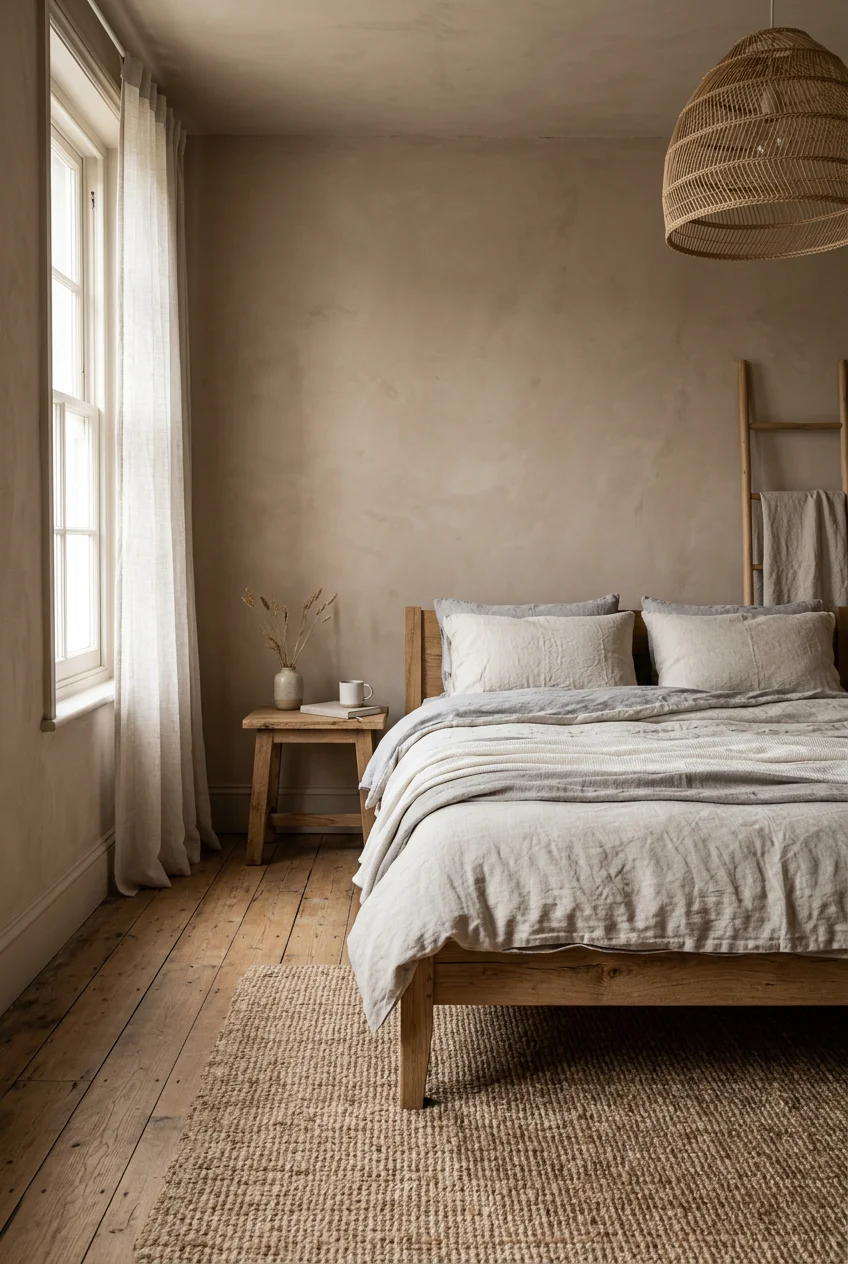
What’s Inside
- Prioritize a Certified Organic Mattress for a Healthier Foundation
- Choose Low-VOC or Zero-VOC Paints for Walls
- Embrace Natural Fibers for Bedding and Textiles
- Anchor Your Space with a GOTS-Certified Organic Rug
- Incorporate Sustainable, Reclaimed Wood Furniture
- Introduce Biophilic Design with Air-Purifying Plants
- Optimize Natural Light with Sheer, Organic Curtains
- Embrace a Warm, Neutral Color Palette
- Layer Textures with Natural Materials
- Choose Lighting with Sustainable Materials
- Incorporate Handmade Ceramics and Artisanal Accents
- Declutter and Practice Mindful Curation
- Consider a Statement Piece of Live-Edge Wood
- Utilize Mirrors Strategically to Enhance Light
- Add an Indoor Water Feature for Tranquility
- Use Organic Cotton Accent Throws and Pillows
Most folks start their bedroom makeover by buying a thirty-dollar bamboo candle and calling it a day. They ignore the giant synthetic mattress off-gassing right under their noses. Real organic decor isn’t about slapping a green leaf label on a plastic product. It’s about changing the materials you sleep on, breathe in, and touch every single night. If you only try one thing from this list, make it #1. Your mattress is the largest surface in the room. Swapping it out kills the biggest source of indoor chemical pollutants in one move.
Skip this list if your budget caps at a hundred bucks or you love a hyper-glossy, neon-LED look. True organic materials cost more upfront and need actual maintenance. This approach won’t work if you want wipe-clean synthetic surfaces.
1. Prioritize a Certified Organic Mattress for a Healthier Foundation

Most people sleep on giant sponges soaked in flame retardants and synthetic foams, then wonder why they wake up stuffy. You need to look for mattresses carrying the Global Organic Textile Standard (GOTS) for fabrics and the Global Organic Latex Standard (GOLS) for latex. These certifications actually mean something, unlike the vague “eco-friendly” marketing on cheap beds. Brands like Avocado Green Mattress (typically $1,399 to $2,399 for a Queen) and Happsy Organic Mattress (around $1,399 for a Queen) offer legitimate GOTS and GOLS certified options. A high-quality organic latex mattress outlasts a cheap memory foam bed, often holding up for 15 to 20 years. Costco occasionally stocks organic options, but check the physical tags to verify the certifications.
The catch: Organic latex mattresses are heavy. A queen-size bed tops 130 pounds, making it a nightmare to move up narrow apartment stairs. Trust me.
2. Choose Low-VOC or Zero-VOC Paints for Walls

That “new paint smell” is just Volatile Organic Compounds (VOCs) off-gassing into your bedroom. If you want true organic decor, conventional paint ruins the air quality immediately. You need low or zero-VOC paints. Brands like ECOS Paints (about $80 to $100 per gallon), Clare Paint ($50 to $60 per gallon), and Graphenstone are solid. Graphenstone is cool because it uses organic lime, which absorbs CO2 from the air as it cures. Don’t paint a room and sleep in it the same night just because the can says zero-VOC. They still need time to cure.
Best for: People with chemical sensitivities or poor bedroom ventilation.
The catch: Zero-VOC paints lack the heavy binders in traditional paints, so they usually need an extra coat for full coverage, especially over dark colors.
3. Embrace Natural Fibers for Bedding and Textiles

Synthetic microfiber sheets are basically woven plastic. They trap heat, harbor bacteria, and pill after three washes. Swap them for organic cotton, pure linen, or hemp. These materials breathe, pulling moisture away from your body instead of trapping it. A heavy linen duvet cover from brands like Surya (around $300 to $350 for a Full/Queen) or a Belgian Flax Linen set ($250 to $280 for a Queen) adds a lived-in look. The texture is crisp at first but gets softer with every wash. Stop chasing high thread counts. A 200-thread-count organic percale cotton feels better than a 1000-thread-count synthetic blend.
The catch: 100% pure linen wrinkles. If you demand hotel-crisp, perfectly smooth sheets, you’ll be ironing for an hour every Sunday.

Macrame Wall Hanging Shelf Boho Wall Decor Home 2 Tier
If you want something that just works, Macrame Wall Hanging Shelf Boho Wall Decor Home 2 Tier Hanger Shelves is a safe bet (387 reviews, 4.5 stars).
4. Anchor Your Space with a GOTS-Certified Organic Rug

Most cheap area rugs are backed with toxic glues and treated with harsh stain repellents. When you walk on them, you kick up microscopic particles of those chemicals. You need a rug made from natural fibers like wool, jute, sisal, or organic cotton with GOTS or OEKO-TEX certifications. Organic Weave offers 100% GOTS-certified organic wool and cotton rugs (prices vary, from $300 for small accents to over $5,000 for room-sized pieces). A massive mistake is sizing down to save money. An 8×10 rug is the bare minimum for a queen bed. Anything smaller looks like a bath mat. You might also like: 18 Teen Girls Bedroom Ideas You Need to See
The catch: Natural wool rugs shed for the first six to eight months. You’ll be vacuuming up tumbleweeds of wool constantly.
5. Incorporate Sustainable, Reclaimed Wood Furniture

Particleboard and MDF furniture are glued with formaldehyde-based resins that off-gas for years. Skip the cheap flat-pack stuff and look for solid bamboo, FSC-certified timber, or reclaimed wood. Urban Woods makes reclaimed wood furniture using non-toxic finishes. Brands like Avocado also build bed frames using reclaimed or FSC-certified wood sealed with zero-VOC finishes. The visual weight of solid wood grounds a bedroom, giving it a permanent feel that flimsy veneer can’t touch. The wood grain adds warmth to a plain room. You might also like: 20 Clever Bedroom Ideas for Men That Make a Real Difference
The catch: Reclaimed wood is imperfect. Expect knots, old nail holes, and uneven surfaces that make dusting with a microfiber cloth frustrating. I learned that the hard way.
6. Introduce Biophilic Design with Air-Purifying Plants

You can’t have an organic aesthetic without living things. Plants filter indoor air. For a bedroom, Snake Plants (Sansevieria trifasciata) are top tier because they release oxygen at night. Pothos and Spider Plants are also great at scrubbing toxins from stagnant air. You don’t need a fancy boutique nursery. Grab a healthy Snake Plant at Trader Joe’s or Sprouts for under $20. Put them in unglazed terracotta pots so the soil can breathe. You might also like: 15 Cozy Bedroom Ideas You Need to See
Best for: Beginners who kill houseplants, as these thrive on neglect.
The catch: Overwatering organic potting soil leads to fungus gnats, which ruins the peaceful sanctuary vibe.

Leeleberd Led Lights for Bedroom 100 ft (2 Rolls of 50ft)
A dependable everyday pick — Leeleberd Led Lights for Bedroom 100 ft (2 Rolls of 50ft) Music Sync C pulls in 205 ratings at 4.5 stars. Not flashy, just solid.
7. Optimize Natural Light with Sheer, Organic Curtains

Heavy, synthetic blackout drapes look like shower curtains. To soften the room, use breezy, sheer organic linen or cotton curtains in ivory or warm sand. Floor-to-ceiling panels that pool slightly—aim for an inch of extra length—create a relaxed vibe. They diffuse harsh sunlight into a soft glow. Hanging the rod high and wide, at least four to six inches above the window frame, makes the ceilings look taller.
The catch: Sheer curtains offer zero privacy at night. You’ll need to install a hidden blackout roller shade behind them if you face a busy street.
8. Embrace a Warm, Neutral Color Palette

Stark, hospital-white walls are dead. The shift is toward warm neutrals: cream, beige, greige, soft taupes, muted olive green, and terracotta. These earthy tones mimic natural landscapes. When you use organic materials, stark white creates a harsh contrast that makes natural wood look dirty. A wall color like a muddy taupe ties different textures together. Paint a large swatch and look at it at 8 PM. Colors shift when the sun goes down.
The catch: Warm neutrals with brown undertones can look dingy in north-facing bedrooms that don’t get direct sunlight.
9. Layer Textures with Natural Materials

When you remove bright colors and synthetic prints, you have to replace that interest with texture. Layering is how you fix this. Mix a chunky jute rug with a handwoven wool throw, linen cushion covers, and wicker baskets. A small accent chair in heavy boucle or a bed with a waffle-weave blanket adds massive tactile interest. You can find decent 100% cotton waffle blankets at Target or Walmart for under $40 if you read the tags and avoid polyester.
Best for: Neutral-obsessed decorators whose rooms feel sterile.
The catch: Textured materials like chunky knits are magnets for pet hair, and cats will use a jute rug as a scratching post.

Govee RGBIC LED Strip Lights, Smart LED Lights for Bedroom
Govee RGBIC LED Strip Lights punches above its price — 252 buyers rated it 4.5 stars. The kind of pick people reorder.
10. Choose Lighting with Sustainable Materials

Harsh overhead lighting ruins the mood. Switch off the “big light” and rely on soft, warm lighting from table or floor lamps. Look for fixtures made from woven bamboo, reclaimed wood, or recycled glass. Brands like LannaPassa offer stunning bamboo pendant lamps that add a sculptural element. Always use warm-toned LED bulbs (look for 2700K) to mimic the glow of candlelight rather than the sterile blue light of an office.
The catch: Woven bamboo and rattan lampshades cast striped shadow patterns, which some find distracting when trying to sleep.
11. Incorporate Handmade Ceramics and Artisanal Accents

Mass-produced resin decor looks cheap and feels hollow. The goal is choosing intentional pieces that highlight human craft. Add a hand-thrown clay vase, a beeswax candle, or a small stone catchall on your nightstand. Platforms like The Citizenry offer beautiful handcrafted ceramics ($80 to $150 for vases) made with fair trade practices. The slight imperfections in a handmade bowl add authenticity that a factory-made piece lacks.
The catch: Raw, unglazed ceramics are porous. If you spill water or essential oils on an unglazed tray, it will stain permanently.
12. Declutter and Practice Mindful Curation

An organic bedroom fails if every surface is covered in charging cables and stacks of mail. Soft minimalism requires hidden storage. Use under-bed wooden bins or nightstands with deep drawers to hide the ugly necessities. Keep surfaces clean, focusing on a few natural decor pieces. Visual noise translates to mental noise. If your eyes are darting around a cluttered room, your brain isn’t relaxing.
Best for: Stressed individuals who need their bedroom to function as a visual reset.
The catch: Maintaining a minimalist surface requires daily discipline. It’s a habit, not a one-time project.

Mkono Macrame Hanging Shelves Boho Wall Decor Set of 2
Mkono Macrame Hanging Shelves Boho Wall Decor Set of 2 Rustic Wood Flo punches above its price — 21 buyers rated it 4.5 stars. The kind of pick people reorder.
13. Consider a Statement Piece of Live-Edge Wood

Straight lines feel manufactured. Introducing a live-edge wood headboard, a heavy wooden bench at the foot of the bed, or floating live-edge nightstands breaks up the rigid geometry. The natural, undulating curve of the wood bark serves as a focal point, bringing raw warmth indoors. You don’t need much; one substantial live-edge piece anchors the room.
The catch: Live-edge wood slabs are absurdly heavy. Mounting a headboard usually requires heavy-duty wall anchoring into the studs, which isn’t practical for most renters.
14. Utilize Mirrors Strategically to Enhance Light

Natural light is crucial. If your bedroom is dark, a large floor mirror can bounce sunlight deep into the room. Place the mirror on a wall adjacent to the window to catch light at an angle and diffuse it. A wood-framed floor mirror adds a natural material while functionally doubling the sunlight, reducing the need for artificial lamps during the day.
Best for: Small, dark bedrooms with poor natural sun exposure.
The catch: Placing a mirror where it reflects the bed disrupts sleep, as catching your own movement in the reflection at 2 AM triggers a startle response.
15. Add an Indoor Water Feature for Tranquility

It sounds retro, but a small, modern recirculating indoor fountain made from natural stone or slate is effective for ambiance. The sound of flowing water acts as white noise, masking street traffic. Plus, the evaporating water adds a bit of humidity, which is great for your skin and houseplants during winter. Keep the design simple—no plastic faux-rocks or LED lights.
The catch: The internal pump motors on small features often emit a mechanical hum that overrides the water sound, which will drive light sleepers crazy.

Ultra Soft Cozy Sherpa Throw Blanket
Ultra Soft Cozy Sherpa Throw Blanket punches above its price — 46 buyers rated it 4.5 stars. The kind of pick people reorder.
16. Use Organic Cotton Accent Throws and Pillows

If you can’t afford a furniture overhaul, start small. Swap synthetic velvet or polyester throw pillows for covers made from organic cotton canvas, mudcloth, or raw silk. You can sometimes find organic cotton goods in the seasonal aisles at places like Whole Foods or Kroger. Look for items dyed with natural plant extracts rather than harsh chemicals. These small textile swaps change the tactile experience of your bed.
Best for: Renters on a tight budget who want to introduce natural materials.
The catch: Natural plant dyes lack the chemical fixatives of synthetic ones, meaning they will fade faster if placed in direct sunlight.
How we chose these ideas: We prioritized material purity, indoor air quality, and long-term durability over trends. We focused on items with recognized certifications like GOTS and GOLS and practical accessibility, ensuring a mix of high-impact investments and renter-friendly updates without relying on greenwashed marketing.
Creating an organic bedroom isn’t about a perfect catalog look; it’s about removing the synthetic materials that mess with your air quality and sleep. Start with the mattress if you can, or tackle the textiles if you’re on a budget. Pin this list for later when you’re ready to make your next upgrade, and stop settling for plastic masquerading as fabric.
Frequently Asked Questions
What is organic bedroom decor?
Organic bedroom decor focuses on using natural, non-toxic materials like GOTS-certified organic cotton, pure linen, reclaimed wood, and zero-VOC paints. It prioritizes indoor air quality and sustainability over synthetic fabrics, chemical flame retardants, and mass-produced plastics.
How do I make my bedroom look more organic?
Start by swapping synthetic bedding for natural fibers like linen or hemp. Introduce a warm, earthy color palette, add live plants like Pothos or Snake Plants, and layer natural textures like jute, wool, and unglazed ceramics to create visual depth.
Are organic mattresses worth the cost?
Yes, because they eliminate the largest source of chemical off-gassing in the bedroom. Certified organic latex mattresses lack the harsh flame retardants and VOCs found in cheap memory foam, and they typically outlast synthetic beds by several years.
What colors work best for an organic bedroom?
Warm neutrals are the foundation of organic bedroom decor. Opt for shades like cream, soft taupe, muted olive green, and terracotta. These earthy tones complement natural wood grains and unbleached textiles much better than stark, hospital-white walls.
