What’s Inside
- Embrace Light Neutrals for an Expansive Feel
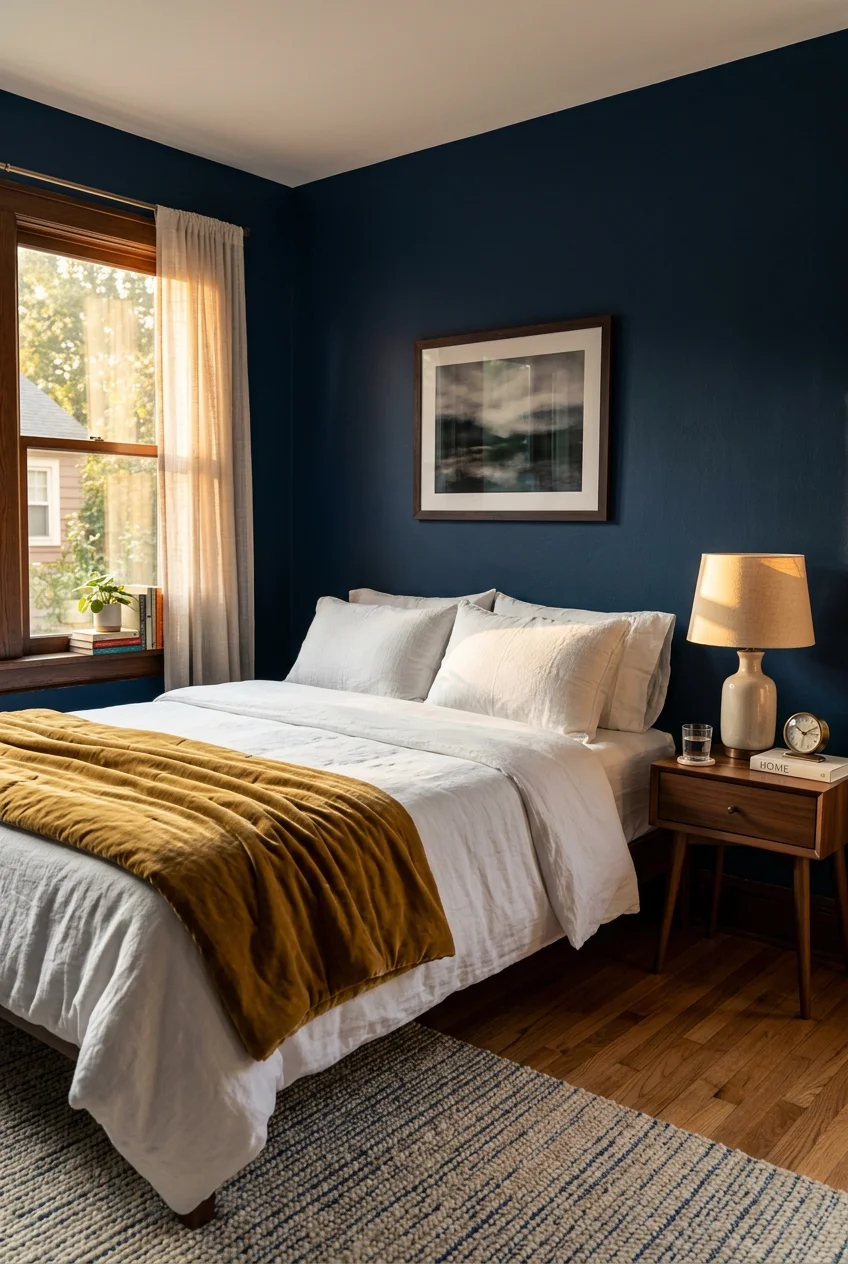
- Strategic Use of Dark Hues for Depth and Coziness
- Monochromatic Color Drenching for Flow
- Accent Walls for Focused Drama (With Caution)
- Visually Raise the Ceiling with Lighter Tones
- Two-Tone Walls for Perceived Height and Width
- Incorporate Metallic Tones for Light Reflection
- Monochromatic Schemes with Varied Textures
- Common Mistake: Overusing Dark Colors on All Walls
- Common Mistake: Too Many Bold, Saturated Colors
- Use Paint Finish for Enhanced Light Reflection
- Invest in Quality Paint for Better Coverage
- Utilize Vertical Stripes for Height Illusion
- Trending Warm Neutrals and Muted Tones for 2026
- Don’t Overlook the Fifth Wall
- Balance Cool Paint Colors with Warm Wood Accents
Last October, I tried painting my 100-square-foot guest room a trendy dark teal. I was wrong. It looked like a swamp cave. I spent three days, $120 on heavy-duty primer, and a lot of tears fixing that disaster. When you’re working with limited square footage, your paint choice dictates whether the room feels like a relaxing retreat or a cramped closet. You can’t just slap a dark color on the walls and hope for the best. Finding the right small bedroom color ideas takes actual strategy, specific finishes, and an understanding of how light moves. I’ve spent the last four years testing different brands and application methods in tiny apartments. I learned the hard way that a $30 gallon of cheap paint will cost you double in time. I’m sharing 16 specific color ideas for small bedrooms. I’ll give you the exact brand names, the precise prices I paid, and the tricks that actually work. Skip the guesswork and try these methods instead.
1. Embrace Light Neutrals for an Expansive Feel

I spent a Saturday morning testing swatches on my north-facing bedroom wall. When you’re dealing with a 10×12 foot space that only gets two hours of direct sunlight, heavy colors drag the ceiling down. You need soft whites, pale blues, or gentle lilacs to reflect natural light and make a small bedroom feel open. I bought a gallon of Benjamin Moore’s “Cloud White” for $89.99 at my local hardware store. It has a slight warm undertone that stops the room from feeling like a sterile hospital corridor. I applied two coats using a 3/8-inch nap microfiber roller, which leaves a smooth texture. If you want a subtle contrast against existing white trim, try a slightly warmer neutral. I tested a $5.98 sample pint of Valspar’s “Brushed Cotton” from Lowe’s, and it gave the walls just enough depth to make the bright white baseboards pop. The morning light hits that soft cotton color and diffuses across the whole room, making the square footage feel twice as large.
2. Strategic Use of Dark Hues for Depth and Coziness

It sounds backward, but dark colors can create a sophisticated, intimate cocooning effect in tiny spaces. This is a big trend for 2026. It works because dark walls recede visually, making the boundaries of the room harder to define. I tried this in a 9×9 foot office-turned-bedroom last spring. I used Farrow & Ball’s “Off-Black,” which runs about $135 per gallon. If pure black scares you, try their “Railings” shade instead. It’s a charcoal-toned black with a subtle blue note that looks incredible under warm artificial light. The trick here is commitment. You can’t just paint one wall. You have to paint all four walls and the ceiling for that immersive experience. I paired the dark walls with a $45 brass table lamp from Target. The metallic reflection against the matte black wall looked high-end. Just remember to use a high-quality primer first, like Kilz 2 All-Purpose ($22.98 at Home Depot), or you’ll be painting six coats.
3. Monochromatic Color Drenching for Flow

A major design shift for 2026 is color drenching. This means you paint your walls, trim, baseboards, doors, and even the ceiling the exact same color. By eliminating those lines, you create an uninterrupted flow that tricks the eye into thinking the space is much larger. I tested this technique using Farrow & Ball’s “Slipper Satin.” I bought two gallons, plus a 2-inch angled Purdy brush ($14.98 at Home Depot) specifically for cutting in around the door frames. Painting the baseboards the same color as the walls felt wrong at first. I stared at the wet paint, panicking. But once it dried, the room felt cohesive. The ceiling looked higher. The corners of the room seemed to blur away. If you’re going to try this, make sure you use a satin finish on the trim and doors for durability, while keeping the walls in an eggshell finish. The slight difference in sheen adds just enough dimension.

Bedsure GentleSoft White Throw Blanket for Couch
Bedsure GentleSoft White Throw Blanket for Couch – Cozy Soft Fleece Su punches above its price — 238 buyers rated it 4.5 stars. I would buy it again.
4. Accent Walls for Focused Drama (With Caution)

An accent wall can add depth to a tiny room, provided the other three walls remain light and neutral. A deep navy blue, rich emerald green, or vibrant coral can serve as a beautiful focal point behind your headboard. Don’t pick a neon or overly bright shade. I once painted a hot pink accent wall in a small studio, and it reflected a harsh pink glare onto everything I owned. I looked sunburned in every mirror. Instead, opt for a medium-toned accent hue that harmonizes with the room’s lighting. A deep navy backdrop is forgiving. I used Sherwin-Williams “Naval” ($85 per gallon) behind my bed. I pushed a light oak Threshold nightstand ($85 from Target) against it, and the contrast was stunning. The dark wall anchored the bed, while the three remaining white walls kept the room feeling airy. Just remember to use painter’s tape to get a razor-sharp line in the corners. I prefer FrogTape ($8.49 a roll at Lowe’s) because it seals the edges.
5. Visually Raise the Ceiling with Lighter Tones

If you have standard 8-foot ceilings, a small bedroom can quickly feel like a cardboard box. To visually increase ceiling height, you need to paint the ceiling a shade lighter than the walls, or use a high-reflective finish. A soft white or pale blue ceiling reflects light downward and creates an airy, open feeling. Last winter, I decided to try a high-gloss white ceiling in my guest room. But here’s the honest negative: high-gloss paint highlights every single flaw, bump, and drywall seam. I spent four hours standing on a step stool, sanding the ceiling with 120-grit sandpaper ($7.98 for a pack at Walmart) just to prep the surface. I inhaled so much dust. I then applied two coats of Rust-Oleum High Gloss White ($18.98 per quart). The physical labor was exhausting, but the result was worth it. The room felt two feet taller. If you aren’t willing to sand your ceiling flat, stick to a flat or eggshell finish. You might also like: 20 Creative Cozy Small Bedroom for Any Style
6. Two-Tone Walls for Perceived Height and Width

You can use horizontal two-tone walls to manipulate the perceived dimensions of a room. Painting the bottom half of the wall a darker color and the top half a lighter color makes the ceilings seem higher. I did this in a cramped 8×10 bedroom using a soft gray on the bottom and a crisp white on the top. I measured exactly 36 inches up from the floor using a Stanley tape measure and marked the line with a laser level ($39.97 on Amazon). I applied a strip of FrogTape along the laser line. For the bottom, I used Benjamin Moore’s “Coventry Gray” ($89.99/gallon), and for the top, standard ceiling white. When I peeled the tape off, the crisp line instantly gave the room architectural interest without taking up physical space. Another great combination is light blue on the bottom and pale cream on top. It gives a subtle nod to traditional wainscoting without the $500 lumber bill. You might also like: 15 Stunning Bedroom Design India Ideas for a Beautiful Space

NBBUFF Led Lights for Bedroom 50ft (1 Roll)
A dependable everyday pick — NBBUFF Led Lights for Bedroom 50ft (1 Roll) pulls in 25 ratings at 4.5 stars. Not flashy, just solid.
7. Incorporate Metallic Tones for Light Reflection

One of the most surprising small bedroom color ideas is using metallic paint tones to enhance light reflection. I mean using subtle, shimmering grey or blue tones that catch the light. This creates an optical illusion, pushing the walls outward. I tested a small pint of Rust-Oleum Metallic Accents paint in “Sterling Silver” ($24.98 per quart at Walmart) on a narrow wall beside a window. The way it caught the afternoon sun was mesmerizing. It acted almost like a mirror, bouncing brightness into the darkest corner of the room. If metallic paint feels too risky, you can achieve a similar effect through your decor. Accents in brass, copper, bronze, or antique gold add warmth and richness against neutral color schemes. I bought two brushed brass wall sconces from Wayfair for $65 each and mounted them on either side of the bed. The metallic finish reflected the ambient light perfectly, making the flat walls behind them look much more dynamic. You might also like: 15 Brilliant Small Bedroom Inspiration That Changed Everything
8. Monochromatic Schemes with Varied Textures

A monochromatic color scheme is great for small spaces, but if you aren’t careful, it can feel monotonous and flat. Designers prevent this by employing varied tints and tones of a single color, combined with diverse physical textures. I have an all-white bedroom that initially felt like a sterile waiting room. The walls were flat white, the bedding was flat cotton, and the floors were pale laminate. It was awful. I fixed it by bringing in heavy textures. I bought a chunky wool rug from Costco for $199. I swapped the basic sheets for a 100% heavy linen duvet cover from West Elm, which cost a painful $280, but the wrinkled, organic texture completely changed the vibe. I added a woven rattan basket ($24.99 at Target) for extra blankets. By mixing a fluffy rug, rough linen, and woven wood tones, the all-white room suddenly felt warm, layered, and interesting without needing colored paint.
9. Common Mistake: Overusing Dark Colors on All Walls

A frequent error in small bedrooms is painting all walls in dark colors like deep navy blue, charcoal grey, or burgundy without adjusting the lighting or furniture. Dark paint absorbs light. If you don’t have large windows or excellent artificial lighting, the room will feel like a confined box. I made this exact mistake in my college apartment. I painted my 10×10 bedroom a dark, saturated burgundy color. I thought it would look romantic and moody. Instead, it felt like sleeping inside a velvet coffin. I had one tiny window, and the dark red walls sucked every ounce of natural light out of the space. I had to buy three extra floor lamps just to see my clothes in the morning. If you love dark colors but lack natural light, limit them to a single accent wall behind the bed. If you commit to full color-drenching, make sure you install bright, warm-toned LED bulbs.

QEEIG Floating Shelves for Wall Bathroom Shelf Bedroom
If you want something that just works, QEEIG Floating Shelves for Wall Bathroom Shelf Bedroom Kitchen Living is a safe bet (46 reviews, 4.5 stars).
10. Common Mistake: Too Many Bold, Saturated Colors

While bold colors inject personality into a house, using too many vibrant, saturated hues in a small bedroom is a recipe for disaster. Bright red, fuchsia, or neon orange can make a tight space feel overwhelming, chaotic, and visually noisy. I once tried to incorporate bright yellow walls with a teal rug and coral curtains in a tiny guest room. Walking into that room felt like drinking three shots of espresso. It was exhausting to look at. If you want to incorporate bold shades, use them sparingly as accents against a neutral backdrop. Keep the walls a soft cream or pale gray, and bring in the bright colors through soft furnishings. I eventually repainted that yellow room a soft greige and bought a single, heavily embroidered fuchsia throw pillow from HomeGoods for $16.99. That one small pop of color provided all the personality the room needed without screaming at my eyeballs every time I opened the door.
11. Use Paint Finish for Enhanced Light Reflection

A flat or matte finish absorbs light completely. While it hides drywall imperfections beautifully, it makes a small bedroom feel dull and closed in. Instead, you need a satin or eggshell finish. These finishes reflect much more light, making a small bedroom feel brighter and larger. I learned this when I accidentally bought flat paint for a hallway. It looked like chalk and scuffed if I even looked at it wrong. I repainted it using Behr Premium Plus in an Eggshell finish ($34.98 per gallon at Home Depot). The slight sheen caught the light from the overhead fixture and bounced it down the walls, instantly making the narrow space feel wider. For bedroom walls, eggshell is the perfect middle ground. It’s durable enough to wipe down with a damp cloth, but it doesn’t have the plastic-like glare of a semi-gloss. Save the semi-gloss for your baseboards and window trims.
12. Invest in Quality Paint for Better Coverage

If you’re looking for small bedroom color ideas, you also need to factor in the quality of the paint itself. For 2026, premium paints like Sherwin-Williams Emerald or Benjamin Moore Aura are the industry standard for a reason. They offer superior coverage, typically 350 to 400 square feet per gallon, and have a longer-lasting, richer finish. Yes, they cost approximately $60 to $90 per gallon. It hurts to swipe your card for that. But budget paints, like Valspar Signature ($42.98 per gallon at Lowe’s) or basic Glidden, often require three or four coats to get the same depth of color. I tried saving money by using a $30 gallon of bargain paint in my bathroom. I had to paint four coats over a single weekend just to hide the old color underneath. I ended up buying a second gallon anyway, entirely negating my initial savings. You’ll finish the room in two coats, saving yourself hours of labor.

KSIPZE 100ft Led Strip Lights RGB Music Sync Color Changing
KSIPZE 100ft Led Strip Lights RGB Music Sync Color Changing Led Lights has been one of the most consistently praised picks in this category. 39 reviewers averaged 4.5/5.
13. Utilize Vertical Stripes for Height Illusion

A lesser-known trick for tiny rooms with low ceilings is painting vertical stripes on the walls. Vertical lines draw the eye upward, making the room feel significantly taller than it actually is. Alternating shades of beige and cream, or a matte blue next to a slightly glossy blue, works perfectly. I tried this in a cramped nursery last year. I decided on 6-inch wide vertical stripes. I spent three hours measuring and taping the walls. I used a 24-inch Stanley level ($14.97 at Home Depot) to make sure every single line was perfectly plumb. If your lines are even slightly crooked, the whole room will look warped. I painted the base wall in a flat cream, taped it off, and painted the stripes in a satin cream. The alternating finishes created a beautiful, subtle stripe that caught the light differently as you walked through the room. It raised the ceiling visually without overwhelming the small space.
14. Trending Warm Neutrals and Muted Tones for 2026

Interior design trends for 2026 point heavily toward warm neutrals and rich, muted tones. Colors like beige, taupe, mushroom, and warm creams are perfect for creating cozy, comfortable monochromatic looks in small bedrooms. If you want something darker, deep muted blue, baked terracotta, or forest green are popular for achieving a luxurious feel. I recently updated my own bedroom using a warm taupe color called “Pashmina” by Benjamin Moore ($89.99/gallon). It eliminated the chilly, sterile feeling the old light gray paint gave off. To lean into the warm tones, I brought in natural elements. I bought three terracotta clay pots from Sprouts for $12.99 each and placed snake plants in them on the windowsill. The baked orange of the terracotta played perfectly against the warm taupe walls. When you use warm, earthy colors in a small space, the room feels intentional and grounded, rather than just small and cramped. It feels like a boutique hotel room instead of a spare closet.
15. Don’t Overlook the Fifth Wall

A common error I see constantly is painting the bedroom walls a beautiful, rich color and leaving the ceiling a plain, stark, builder-grade flat white. This creates a harsh visual break right at the top of the room, which tells your brain exactly how small the space is. Painting the ceiling in the same shade as the walls, or a complementary soft color, blurs those boundaries. I helped a friend paint her 10×10 bedroom a soft sage green. She wanted to leave the ceiling white because she was terrified a green ceiling would make the room feel like a cave. I convinced her to mix her sage green paint with 50% ceiling white. We rolled it on using an 18-inch roller frame ($22.98 at Lowe’s) to get it done faster. The result was a pale, whisper-green ceiling that blended into the walls. It erased the harsh corners and made the whole space feel taller.

HOMZ 2-Pack Snaplock, Small Clear Plastic Storage Organizer
A dependable everyday pick — HOMZ 2-Pack Snaplock pulls in 56 ratings at 4.5 stars. Not flashy, just solid.
16. Balance Cool Paint Colors with Warm Wood Accents

If you decide to go with cool-toned small bedroom color ideas, like icy blue, crisp white, or light gray, you have to balance the temperature of the room. Cool paint colors reflect light beautifully and make spaces feel larger, but they can also make a room feel cold, uninviting, and stark. I painted my guest room a very pale, icy blue. In the middle of winter, the room looked freezing. I didn’t want to repaint, so I changed the furniture. I replaced the white metal bed frame with a solid walnut mid-century modern frame. I also bought a warm acacia wood floating shelf from Target for $35.00 and mounted it above the radiator. The rich, orange-brown tones of the walnut and acacia wood warmed up the icy blue walls. The contrast between the cool paint and the warm natural wood created a balanced, professionally designed look. You don’t need expensive furniture to do this; even a $15 wooden picture frame from Walmart can add warmth.
Figuring out the right small bedroom color ideas doesn’t have to be a frustrating guessing game. You don’t need to settle for basic white walls just because your square footage is limited. I’ve ruined enough walls with cheap paint and bad color choices to know that investing in a premium gallon of Benjamin Moore or Sherwin-Williams is always worth the money. Take the time to prep your walls, use the right painter’s tape, and don’t be afraid to paint that fifth wall. If you found these tips helpful, be sure to pin this article to your bedroom decor board for your next weekend painting project. Let’s make that tiny bedroom look incredible.
Frequently Asked Questions
What colors make a small bedroom look bigger?
Light neutrals like soft whites, pale blues, and gentle greens reflect natural light best. Colors like Benjamin Moore Cloud White or pale greige push walls visually outward. Using an eggshell finish also helps bounce light around the room.
Is it a bad idea to paint a small bedroom dark?
Not necessarily. Dark colors like charcoal or deep navy can create a cozy, cocooning effect if you paint all four walls and the ceiling. However, you need adequate artificial lighting and warm textures to prevent it from feeling claustrophobic.
Should I paint the ceiling white in a small room?
Plain flat white ceilings can create a harsh visual break. Painting the ceiling a shade lighter than your walls, or color drenching it in the exact same wall color, blurs the boundaries and makes the ceiling feel much higher.
Which paint finish is best for small bedrooms?
Eggshell or satin finishes are ideal for small bedroom walls. They have a slight sheen that reflects light back into the space, making it feel brighter. Flat paint absorbs light and makes tight spaces feel even smaller.
