What’s Inside
- Embrace the “Smart Chic” Trend with Multi-Functional Loft Beds
- Choose a Flexible, Neutral-Based Color Palette
- Maximize Vertical Storage with Wall-Mounted Solutions
- Invest in a Full-Size Bed with Integrated Storage
- Create an Illusion of Space with Strategic Mirror Placement
- Incorporate Smart Lighting for Ambiance and Functionality
- Utilize Wall Decals for Flexible, Age-Appropriate Decor
- Design a Montessori-Inspired Floor Bed for Independence
- Integrate Sustainable and Natural Elements
- Avoid Cramming the Room with Small Furniture Pieces
- Create a Cozy Reading Nook with a Canopy
- Personalize with a Gallery Wall at Child’s Eye Level
- Utilize the Back of the Closet Door for Hidden Display
- Paint the Ceiling a Soft, Unexpected Color
- Choose Durable, Easy-to-Clean Paint Finishes
- Exploit the Gap with Under-Bed Rolling Bins
- Install High-Mounted Blackout Curtains for Better Sleep
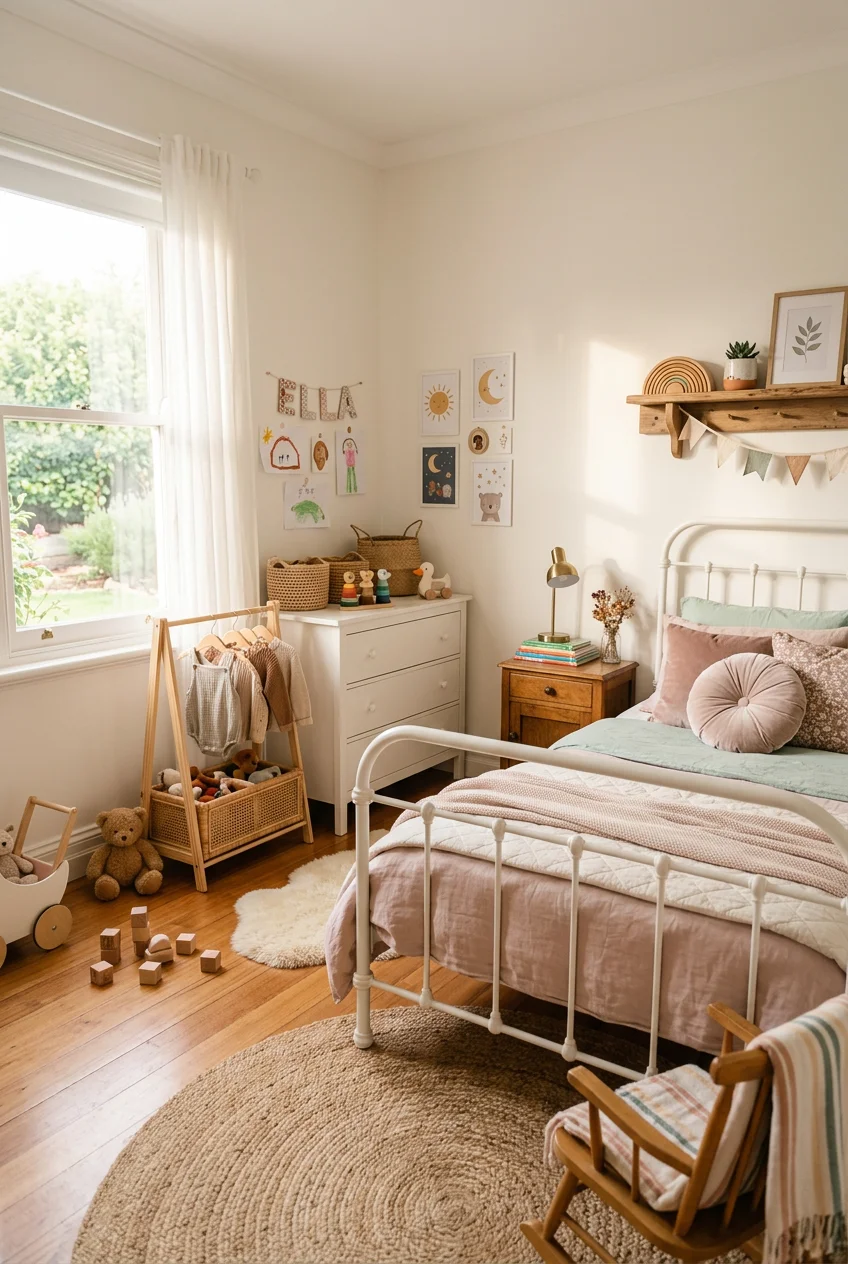
Walk into a standard 10×10 child’s room, and you’ll usually find it swallowed whole by a giant plastic dollhouse and a toddler bed that’ll be outgrown in six months. When planning small girl bedroom ideas, the default is to shrink the furniture to fit the footprint. That’s backward. Shrinking the furniture just creates a cluttered, miniature dollhouse effect. Instead, focus on vertical space and multi-functional zones. If you only try one idea from this list, make it #4. Here’s why: skipping the tiny transition beds saves money and reclaims the largest footprint in the room for hidden, heavy-duty storage. It took me years to realize that floor space is gold.
Skip this list if you’re looking for a highly specific, floor-to-ceiling character theme. These strategies focus on longevity and flexibility. If your goal is a single-age novelty room that needs a full remodel in two years, these layouts won’t fit your vision.
1. Embrace the “Smart Chic” Trend with Multi-Functional Loft Beds

Small bedrooms are all about “smart chic,” blending space-saving tech with high-vibe style. A loft bed is the most efficient way to double your square footage. Most people get this wrong by buying a standard twin and sacrificing half the floor. Opt for a reversible loft bed, like the IKEA KURA Reversible Bed (typically $229 to $249). It works as a low bed for younger years, and you can flip it later to open up a play or study area underneath. This frees up space for a desk or reading nook. The KURA frame needs a mattress no thicker than 5 1/8 inches for safety when lofted. Best for: small dark rooms where floor space is non-existent. The catch: changing sheets on a lofted mattress requires physical acrobatics and a step stool. It’s a chore that never gets easier, but the extra 20 square feet of floor space makes it a solid choice.
2. Choose a Flexible, Neutral-Based Color Palette

Avoid bold or themed colors your child will outgrow. A common mistake is painting the whole room a shocking magenta, which absorbs light and makes the space feel like a cave. Instead, start with neutral bases like cream, oatmeal, or soft blush. Designer Hema Persad recommends a warm, rosy pink like Clare Paint’s “Meet Cute” (usually around $60 to $70 per gallon) for a sophisticated, earthy feel. You’ll likely need two coats over a good primer to get the true color depth. You can then add bolder shades through throw pillows or curtains. This gives the room longevity. The catch: neutral walls show scuffs and crayon marks faster than dark colors. Keep a magic eraser handy for the baseboards and light switches. I learned that the hard way with my own daughter’s room.
3. Maximize Vertical Storage with Wall-Mounted Solutions

Floating shelves are a strict space-saving rule, keeping the floor clear of bulky bookcases. Most people hang these way too high and wonder why the room feels off. Install at least two or three IKEA LACK Wall Shelves (starting around $15 each for the 11 3/4 by 74 3/4 inch size) above a desk or bed. They handle books, plants, or 4 oz jars of collectibles without eating up walking space. The internal metal bracket needs to hit at least two wooden studs for support. Best for: tight budgets. Keeping the floor visible makes the room appear larger. The catch: floating shelves have strict weight limits. If you load them with heavy hardback encyclopedias instead of light decor, the brackets will warp and pull away from the drywall.

Yieach Bedside Shelf for Dorm Bed,Rv
A dependable everyday pick — Yieach Bedside Shelf for Dorm Bed pulls in 117 ratings at 4.5 stars. Not flashy, just solid.
4. Invest in a Full-Size Bed with Integrated Storage

Rather than a toddler bed, opt for a full-size bed that’ll last for years. Look for models with built-in drawers or pull-out trays, like the captain’s beds at Pottery Barn Teen (budget for mid-range to premium pricing here). Look for solid wood frames with metal drawer glides instead of cheap plastic tracks. A full-size bed with four deep drawers underneath stores extra clothes, winter coats, or bulky toys. It eliminates the need for a separate dresser. The catch: these beds are incredibly heavy. If you like to rearrange the furniture every six months, a solid wood storage bed will become your worst enemy. It’s a permanent fixture once you set it down.
5. Create an Illusion of Space with Strategic Mirror Placement

Large mirrors reflect light and double visual depth, making a small room feel twice its size. A floor-length mirror, or even mirrored wardrobe doors, placed opposite a window can brighten the room significantly. A simple 20 by 60 inch mirror with a thin matte black or brass frame from Target (typically under $50) leaning against the wall does the heavy lifting. Most people skip mirrors in kids’ rooms for safety, but securing a mirror flat to the wall with heavy-duty anchors solves that. The catch: kids touch everything. A large mirror at floor level guarantees a daily collection of sticky fingerprints. You’ll be cleaning the glass constantly with microfiber cloths to keep the room looking sharp.
6. Incorporate Smart Lighting for Ambiance and Functionality

Replace single overhead lights with layered lighting. A flush-mount ceiling light casts harsh shadows and makes a room feel institutional. Consider Twinkly Strings USB-C decorative LED lights (price varies) with star or heart shapes. They offer app-controlled animations and work as a dimmable nightlight. For wall switches, the Tapo S505 Smart Wi-Fi Light Switch (around $15 to $25) offers easy control and Matter compatibility. You can set schedules so the lights dim automatically at bedtime. Use adhesive cable clips to route the white power cords down the wall trim to keep things tidy. Best for: homes with kids who need structured bedtime routines. The catch: smart lighting relies entirely on your Wi-Fi. If your router drops the connection, you’ll lose access to dimming and scheduling until the system resets. You might also like: 15 Really Small Bedroom Ideas You Need to See

Acovy 30in Long Floating Shelves for Wall Set of 2
Acovy 30in Long Floating Shelves for Wall Set of 2 punches above its price — 8 buyers rated it 4.5 stars. The kind of pick people reorder.
7. Utilize Wall Decals for Flexible, Age-Appropriate Decor

Avoid permanent, themed murals that a child might outgrow in a year. Instead, use removable wall decals. Brands like WallPops offer large character decals, while Create-A-Mural and Tinyme provide options like unicorns, rainbows, or butterflies (starting around $10 to $30). They apply like stickers and peel off without damaging the drywall. Use a plastic smoothing tool to push out air bubbles. You can update the room’s entire vibe in twenty minutes. Best for: renters who can’t paint or wallpaper. The catch: decals only stick properly to smooth, flat walls. If your bedroom has heavy orange peel or knockdown texture, the edges will curl and peel off within weeks. You’ll need perfectly smooth drywall for this to look professional. You might also like: 15 Small Kids Bedroom Ideas Worth Trying
8. Design a Montessori-Inspired Floor Bed for Independence

For younger girls, a floor bed promotes autonomy, allowing them to get in and out safely. This can be as simple as a firm 6-inch mattress on the floor, or a slatted trundle frame like the Pottery Barn Kids Kendall Trundle (budget to mid-range). Remove the wheels to keep it stationary. The slats prevent mold by letting air circulate under the mattress, which is a major issue when a mattress sits directly on carpet. Pair it with a low-pile 5×7 rug to anchor the space. Best for: beginners transitioning from a crib. The catch: floor beds mean you’re getting down on the floor every night for storytime. It’s hard on the knees and back. You might also like: 17 Boho Bedroom Decor You Need to See
9. Integrate Sustainable and Natural Elements

A major shift focuses on creating healthy, eco-friendly spaces. Choose non-toxic, low-maintenance plants to improve air quality and add texture. A basic spider plant or a pothos in a 6-inch terra cotta pot from Sprouts or Whole Foods (usually under $20) brings life to a corner. Ensure the pot has a drainage hole and a plastic saucer so you don’t ruin the dresser surface. Opt for organic cotton bedding and swap plastic bins for storage baskets made from jute or cotton. It softens the room’s acoustics. The catch: live plants require consistent water and sunlight. If the bedroom lacks a decent window, the plants will drop leaves and die, leaving you with empty dirt pots.

Govee RGBIC LED Strip Lights
If you want something that just works, Govee RGBIC LED Strip Lights is a safe bet (252 reviews, 4.5 stars).
10. Avoid Cramming the Room with Small Furniture Pieces

A common mistake is filling a small room with tiny chairs, desks, and shelves. This makes the space feel chaotic. Instead, follow designer Cindy McKay’s advice: less is more. Choose fewer, larger-scaled pieces that utilize vertical space. A tall, 72-inch closed-door bookcase holds more and looks cleaner because it hides clutter, whereas three small, mismatched cubbies chop up the room. Making the room feel expansive requires negative space on the floor. The catch: large furniture requires careful measuring. If you miscalculate the swing radius of the door, a large piece will block the entry and ruin the room’s flow.
11. Create a Cozy Reading Nook with a Canopy

Even in a small room, a canopy defines a special space without taking up much floor area. If a full architectural canopy bed is out of budget, a simple mosquito net (often under $10 at Walmart) hung from a ceiling hook achieves a dreamy effect. Use a heavy-duty toggle bolt in the ceiling drywall rather than a standard screw-in hook. Pair it with a 3×5 foot faux sheepskin rug and a few 18-inch throw pillows for an inviting corner. It utilizes the empty airspace. The catch: cheap mosquito nets are made of thin mesh that snags. If kids pull on the fabric, it will rip at the seams or tear the hook straight out of the ceiling.
12. Personalize with a Gallery Wall at Child’s Eye Level

Instead of taping items to walls, create a gallery wall using lightweight 8×10 frames or adhesive dots. Most people hang art at adult eye level, which disconnects the child from their own decor. Display artwork, photos, or posters at their eye level (usually around 36 to 42 inches from the floor). Opt for frames with shatterproof acrylic fronts instead of glass for safety. This lets them interact with their display as their interests evolve. The catch: keeping frames straight at a child’s height is a losing battle. They will bump into them and knock them off-kilter daily. You’ll need to secure the bottom corners with mounting putty to keep them level.

HOMIDEC Closet Organizers and Storage
HOMIDEC Closet Organizers and Storage is sturdier in person than the photos suggest — over 81 buyers gave it 4.5 stars.
13. Utilize the Back of the Closet Door for Hidden Display

A surprising tactic is to hang posters and pictures that don’t fit the main decor inside the closet door. Kids often want chaotic, brightly colored character posters that clash with a neutral aesthetic. Using the inside of the door lets them enjoy their favorite themes without overwhelming the room. Use 3M Command Strips to attach lightweight corkboard squares or clipboards to the door interior. Keep the items strictly paper-based so you aren’t adding unnecessary weight to the hinges. The catch: this only works if you have standard swing doors. If you have sliding or bi-fold doors, hanging anything on the back will jam the mechanism and scratch the paint.
14. Paint the Ceiling a Soft, Unexpected Color

While neutral walls are standard, painting the ceiling a soft color like pale pink adds a fun twist without making the room feel smaller. Most people leave ceilings stark white, which is a missed opportunity. A soft color draws the eye upward, enhancing the room’s height and adding warmth to the lighting. Use a flat finish on the ceiling to hide drywall seams, even if you use gloss on the walls. It’s a high-impact choice that requires zero floor space. The catch: painting a ceiling is exhausting. You’ll need drop cloths over every inch of the floor, and you’ll be fighting gravity the entire time. It’s a weekend-ruining chore if you aren’t ready for the neck strain.
15. Choose Durable, Easy-to-Clean Paint Finishes

A common mistake is using flat or matte paint in high-traffic children’s rooms. Flat paint absorbs stains and is hard to clean. Opt for a semi-gloss or glossy finish, especially for the lower half of the walls and the trim. You’ll need to sand the walls smooth and wipe them down with a tack cloth before rolling. These finishes create a slick shell that is much easier to wipe clean of handprints and scuffs. Best for: homes with kids or pets. The catch: glossy finishes reflect light harshly and highlight every imperfection in the drywall. If your walls have dents or bad tape joints, a semi-gloss paint will put a spotlight on every flaw.

BAMEOS Floating Shelves with RGB LED
BAMEOS Floating Shelves with RGB LED is sturdier in person than the photos suggest — over 161 buyers gave it 4.5 stars.
16. Exploit the Gap with Under-Bed Rolling Bins

If you don’t have a dedicated storage bed, you must use the 6 to 8 inch gap under a standard frame. Leaving this space empty is a massive waste of real estate. Slide in low-profile rolling storage bins from The Container Store or Target (typically $20 to $40 each). Measure the exact clearance; you typically need bins under 6.5 inches tall. Store out-of-season clothes, blankets, or large board games in these. Clear plastic lets you see contents, while opaque bins hide the clutter. The catch: under-bed bins are dust magnets. Because they sit on the floor, you’ll need to pull them out every few weeks to vacuum the dust bunnies that accumulate around the wheels.
17. Install High-Mounted Blackout Curtains for Better Sleep

Curtains aren’t just for blocking light; they manipulate the room’s proportions. Most people install the rod right above the window, which chops the wall in half and makes the ceiling feel low. Instead, mount the rod two inches below the ceiling line and use 84-inch or 96-inch blackout panels from Costco or Target. Extend the rod 4 to 6 inches past the window on each side. The long vertical lines draw the eye up, faking a higher ceiling while keeping the room dark for sleep. The catch: long curtains pool on the floor if not measured perfectly. Puddled curtains collect pet hair and dirt, so you’ll need to hem them to float half an inch above the floor. Trust me—it makes the room look two feet taller.
How we chose these ideas: These strategies prioritize renter-friendliness, cost, and visual impact. We focused on solutions that maximize vertical space and offer long-term flexibility rather than temporary, age-specific decor.
Planning a small bedroom doesn’t mean sacrificing style. It just means making the walls and furniture work twice as hard. Start with the lighting and the bed placement, and the rest of the room will fall into place. Pin this list to your home layout boards so you have these tips ready when it’s time to rearrange.
Frequently Asked Questions
What colors make a small girl’s bedroom look bigger?
Neutral bases like cream, oatmeal, or soft blush reflect light and make the room feel expansive. Avoid dark, heavily saturated colors on all four walls, as they absorb light and make tight spaces feel enclosed.
How do you maximize storage in a small bedroom?
Utilize vertical space by installing floating shelves high on the walls and investing in a bed with built-in drawers. Using the 6 to 8 inch gap under a standard bed frame for rolling bins also frees up significant floor space.
Is a loft bed a good idea for a small room?
Yes, a loft bed instantly doubles the usable footprint of that area. It allows you to place a desk, dresser, or reading nook directly underneath the mattress, which is crucial when floor space is limited.
Should I buy toddler-sized furniture for a small room?
No, cramming a room with miniature furniture creates a cluttered dollhouse effect. It’s better to invest in fewer, larger-scaled pieces like a full-size storage bed and a tall bookcase that utilize vertical space and last longer.
