What’s Inside
- Create Functional Zones to Maximize Space
- Embrace the Oversized Headboard Trend
- Scale Up Your Furniture Choices
- Implement a Layered Lighting Scheme
- Use Large Area Rugs to Define Zones
- Install Floor-to-Ceiling Drapes
- Add a Massive Foot-of-Bed Anchor
- Incorporate Darker Paint Tones
- Bring in Tall Organic Elements
- Hang Oversized Art Sets
- Build a Faux Fireplace Focal Point
- Float the Bed Away from the Wall
- Install Substantial Wall Molding
- Layer Heavy Textures on the Bed
- Add a Statement Ceiling Fixture
- Create a Dedicated Vanity Area
- Use Room Dividers for Visual Breaks
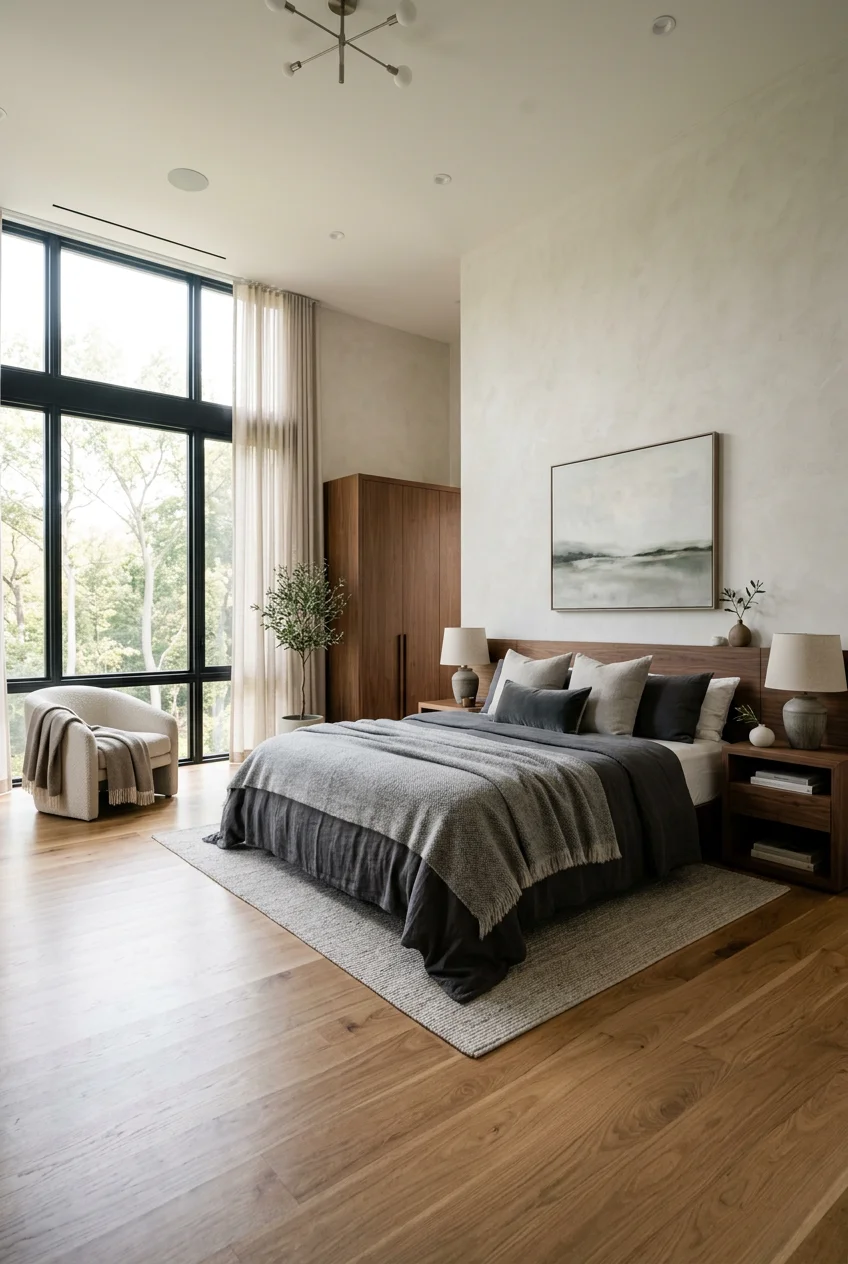
I’m telling you, most people shove a king mattress against the longest wall of a 400-square-foot room and wonder why the space feels like a suburban gymnasium. The echo is loud enough to hear your own breathing. Getting big bedroom decor right takes a real strategy. It’s not about filling corners with random chairs. It’s about breaking up the void so the room stops swallowing your furniture. If you only try one idea from this list, make it #3. Here’s why: proper furniture scaling fixes the awkwardness in a massive room before you even touch the paint or lighting. I learned that the hard way.
Skip this if you’re working with a standard 10×12 guest room or a tight city apartment. These strategies rely on having excess square footage to burn. Applying oversized scaling to a small room just creates a claustrophobic storage unit.
1. Create Functional Zones to Maximize Space

Treating a massive primary suite as one single entity is a common mistake. It leaves too much dead floor space in the center. Instead, divide the square footage into specific, functional zones. A 120-square-foot corner can easily become a reading nook or a small morning coffee station. You need visual boundaries to make this work. Use a 5×7 area rug to anchor a seating arrangement completely separately from the sleeping area. A heavy bouclé fabric adds necessary visual weight to the corner. The Castlery Paloma Bouclé Armchair (typically running $500 to $1000) provides enough bulk to stand alone without looking flimsy. Pair it with a solid wood side table measuring at least 18 inches across. Flimsy wire tables just get lost here. Best for: open-concept primary suites with awkward, empty corners that collect dust. The catch: buying secondary furniture sets and extra rugs gets expensive fast, often doubling the room’s furnishing budget before you even address the bed.
2. Embrace the Oversized Headboard Trend

Standard 48-inch tall headboards look ridiculous against a 10-foot ceiling. The proportions are entirely wrong. Interior designers, including Emma Deterding of Kelling Designs, note that generously proportioned headboard designs are leading the 2026 design market. You need a piece that commands attention through bold scale. Opt for a wall-to-wall upholstered headboard that extends at least 24 inches past the nightstands on either side, or choose a vertical channel-tufted design reaching 72 inches high. This anchors the bed against a massive wall. Custom upholstery shops can build these, or you can find modular velvet panels online to piece together a massive backdrop. Heavy velvet or wool fabrics require routine vacuuming to prevent dust buildup. A massive headboard dictates the entire room’s color palette, so choose a neutral tone like charcoal or deep olive that won’t clash with future bedding changes. The catch: moving a 7-foot tall solid headboard up a standard staircase is virtually impossible, meaning you’ll likely need to assemble modular pieces on-site.
3. Scale Up Your Furniture Choices

Putting a delicate, spindly mid-century nightstand next to a king bed in a 500-square-foot room is a rookie error. The furniture needs to match the room’s scale. You need substantial pieces with serious mass. A grand bed frame like the King Living Adelaide Bed with Breeze Canopy in American Walnut provides significant visual weight. Nightstands should be oversized (look for small 30-inch wide dressers instead of standard 18-inch bedside tables). They should sit exactly level with your mattress height (usually around 24 to 28 inches high) to create a continuous visual line. Skinny metal legs are out. Solid wood plinth bases are in. Best for: massive rooms with high ceilings that dwarf standard retail furniture. The catch: oversized, heavy furniture is a nightmare to relocate if you ever move to a house with smaller bedrooms, often requiring you to leave the pieces behind.

Ultra Soft Cozy Sherpa Throw Blanket
A dependable everyday pick — Ultra Soft Cozy Sherpa Throw Blanket pulls in 46 ratings at 4.5 stars. Not flashy, just solid.
4. Implement a Layered Lighting Scheme

A single ceiling fan light in the center of a large room casts harsh shadows and leaves the corners completely dark. Big rooms require a strict three-layer lighting approach: ambient, task, and accent. Start with a massive 36-inch wide overhead fixture for general ambient light. Add heavy brass bedside sconces extending at least 18 inches from the wall for reading in bed. Finally, run 16-foot LED strip lights behind the headboard or under floating shelves for soft accent lighting. Don’t rely on cheap plug-in cords stretching across massive walls. It looks incredibly messy. Smart lighting solutions allow you to control color temperature and brightness via an app. A 2700K warm white setting makes a cavernous room feel intimate at night. Skip the bright blue daylight bulbs entirely. The catch: hardwiring new sconces and heavy chandeliers requires opening up the drywall and hiring a licensed electrician, which adds hundreds of dollars to the overall project cost. You might also like: 15 Simple Bedroom Decor for Every Budget
5. Use Large Area Rugs to Define Zones

Bare hardwood floors in a large bedroom bounce sound around, creating an unpleasant echo. Area rugs are necessary acoustic dampeners and visual anchors. A standard 8×10 rug under a king bed isn’t enough for a truly large room. You need a 9×12 or even a 10×14 rug so that at least 36 inches of material extends beyond the sides and foot of the bed. This grounds the furniture island. You can find massive, budget-friendly synthetic rugs at Costco (typically ranging from $150 to $300 for oversized options). If you prefer natural fibers, a heavy jute rug adds incredible texture. Pro tip: always use a 1/2-inch thick felt rug pad underneath to add plushness and protect the floors from scratches. The catch: vacuuming and spot-cleaning a 140-square-foot rug requires significant physical effort, and professional deep cleaning is costly. Plus, moving a heavy king-size mattress just to rotate the rug every six months is a massive chore. You might also like: 20 Farmhouse Bedroom Decor You Need to See
6. Install Floor-to-Ceiling Drapes

Short curtains that stop right below the window sill look cheap and chop the wall in half. To make a big bedroom feel intentional, you must install floor-to-ceiling drapes. Hang the curtain rod just 2 inches below the ceiling line, not just above the window frame. This draws the eye up and emphasizes the room’s volume. You’ll need 96-inch or 108-inch panels, depending on your ceiling height. IKEA’s Ritva curtains (usually under $50 per pair) are a staple for this because they have the heavy texture of expensive linen at a fraction of the cost. Buy double the panels you think you need (four panels per standard window) so they look rich and full when closed. Skimpy fabric looks terrible. The catch: massive amounts of fabric act as giant dust filters, requiring you to take them down and wash them frequently to prevent allergies.

AMADA HOMEFURNISHING Floating Shelves
AMADA HOMEFURNISHING Floating Shelves is sturdier in person than the photos suggest — over 117 buyers gave it 4.5 stars.
7. Add a Massive Foot-of-Bed Anchor

A king bed floating in the middle of a large room often looks abrupt where the mattress ends. You need a transition piece at the foot of the bed. A skinny wooden bench won’t cut it. Look for a heavy, upholstered ottoman or a deep storage bench measuring at least 60 inches long and 18 inches deep. The CB2 Bouclé Storage Bench (typically in the $400 to $800 range) adds incredible texture while hiding extra winter blankets. Alternatively, place two matching 24-inch square leather ottomans side by side. This extends the visual footprint of the bed and provides a practical place to sit while putting on shoes. Best for: people who need extra hidden storage for bulky bedding and seasonal clothes. The catch: this bench inevitably becomes a dumping ground for half-worn clothes and heavy laundry baskets if you aren’t rigorously disciplined about putting things away.
8. Incorporate Darker Paint Tones

Painting a massive bedroom bright, stark white often makes it feel like an empty art gallery rather than a place to sleep. Darker colors absorb light and visually pull the walls inward, making the space feel instantly cozier. Deep charcoal, forest green, or rich navy are excellent choices. A color like Farrow & Ball’s Hague Blue creates a moody, enveloping atmosphere. If painting the entire room feels too aggressive, apply the dark tone to the ceiling and carry it down the top 12 inches of the wall to lower the visual height of the room. You’ll need at least 2 gallons of high-quality matte paint for a large accent wall. Use a thick 1/2-inch nap roller for even coverage. The catch: dark matte paint shows scuff marks and oily fingerprints immediately, making it a poor choice for walls you frequently touch. You might also like: 18 Cozy Bedroom Decor That Actually Work
9. Bring in Tall Organic Elements

Large rooms need vertical elements to break up empty corners, and tall plants do this perfectly. A tiny 6-inch potted pothos on a dresser is invisible in a 400-square-foot room. You need a massive 6-foot to 8-foot indoor tree, like a Ficus Audrey or a Bird of Paradise. Place it in a heavy 16-inch ceramic planter. If keeping a giant tree alive sounds exhausting, you can buy massive bundles of fresh eucalyptus at local grocery stores. Trader Joe’s, Whole Foods, and Sprouts usually sell large bunches for under $10. Stick 3 or 4 bunches into a heavy 24-inch tall floor vase. It adds height, organic texture, and a sharp, clean scent to the room. The catch: large indoor trees require specific light conditions to survive, and watering a 50-pound pot indoors often leads to ruined hardwood floors if the drainage tray overflows.
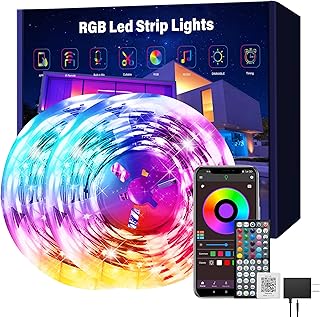
Ledagic Led Lights for Bedroom 150 ft (2 Rolls of 75ft)
A dependable everyday pick — Ledagic Led Lights for Bedroom 150 ft (2 Rolls of 75ft) pulls in 14 ratings at 4.5 stars. Not flashy, just solid.
10. Hang Oversized Art Sets

A single 8×10 framed photo on a massive blank wall looks entirely accidental. Big walls demand big art. If you can’t afford a massive original canvas, hang a coordinated gallery set of oversized frames. Three 24×36 inch frames hung exactly 2 inches apart create a massive focal point that eats up empty drywall. West Elm sells excellent gallery frame sets (usually ranging from $150 to $300) with oversized white mats that make cheap prints look expensive. The key is strict symmetry. Keep the center of the art arrangement exactly 57 inches from the floor, which is standard gallery height. Don’t eyeball it. Use a laser level. Best for: blank walls opposite the bed that lack architectural features. The catch: custom framing large pieces of art or buying oversized glass frames is incredibly expensive and heavy to hang securely on basic drywall.
11. Build a Faux Fireplace Focal Point

Large, boxy bedrooms often lack any architectural interest. Building a faux fireplace adds instant character and a secondary focal point away from the bed. You don’t need a chimney or expensive masonry work. You can buy a solid wood mantel surround and install an electric fireplace insert. Walmart and Target sell complete electric fireplace consoles (typically $200 to $500) that look surprisingly realistic and actually produce heat. Anchor the mantel to the wall studs, paint it to match your trim, and place a large 36-inch round mirror above it. It breaks up a long, boring wall and provides a ledge for heavy brass candlesticks or trailing ivy. You also need a dedicated electrical outlet directly behind the unit to hide the thick power cord. The catch: these units stick out at least 15 inches from the wall, meaning you sacrifice actual floor space for a purely decorative architectural feature.
12. Float the Bed Away from the Wall

There is no law stating your bed must be shoved against the drywall. In a truly massive room, floating the bed in the center of the space completely changes the dynamic. Place a heavy, finished-back headboard about 3 feet away from the wall. You can use that 3-foot corridor behind the bed to place a narrow console table, a row of tall bookcases, or a hidden dressing area. This layout trick requires a room at least 15 feet wide to work properly, but it instantly makes the space feel like a high-end hotel suite rather than a standard suburban bedroom. It forces traffic to flow around the bed rather than straight past it. The catch: floating a bed exposes all the messy power cords from your lamps and phone chargers, requiring you to install a floor outlet directly under the bed.

Govee RGBIC LED Strip Lights, Smart LED Lights for Bedroom
Govee RGBIC LED Strip Lights has been one of the most consistently praised picks in this category. 252 reviewers averaged 4.5/5.
13. Install Substantial Wall Molding

Flat, featureless drywall makes a big room feel like a commercial warehouse. Adding applied molding is a cheap way to add massive visual interest. Skip the skinny 1-inch trim. You need substantial 3-inch or 4-inch wide primed pine molding from a hardware store to create large picture-frame boxes on the walls. Plan the boxes so they are spaced exactly 4 inches apart. Paint the molding the exact same color as the walls in an eggshell finish. The shadows cast by the thick wood create subtle, sophisticated texture that breaks up massive expanses of drywall. It makes the room look custom-built rather than mass-produced. Best for: homeowners wanting to add permanent historical character to a generic builder-grade box. The catch: measuring, cutting, leveling, and caulking dozens of wood trim pieces is incredibly tedious and requires specialized power tools like a miter saw.
14. Layer Heavy Textures on the Bed

A big room requires a bed that looks impossibly plush. A flat quilt pulled tight over a mattress looks sad in a massive space. You need heavy, layered textures. Start with a thick down-alternative duvet insert (buy a super king size, usually 120 by 98 inches) so it drapes heavily down the sides of the mattress. Cover it in a heavy linen duvet cover. Target’s Casaluna linen bedding line (typically $100 to $150) offers incredible weight and a rumpled, lived-in texture. Fold a chunky knit throw blanket at the foot of the bed, and stack four standard pillows behind three 26-inch European shams. The volume of the bedding must compete with the volume of the room to look proportional. The catch: sleeping under 15 pounds of layered linen and heavy duvet inserts sleeps incredibly hot during the summer months. If you aren’t running the AC, it’s brutal.
15. Add a Statement Ceiling Fixture

The ceiling is the largest uninterrupted surface in the bedroom. Leaving it blank with a tiny flush-mount light is a massive wasted opportunity. You need a massive statement fixture to draw the eye upward and justify the room’s height. An oversized woven rattan pendant or a 40-inch wide tiered brass chandelier works perfectly. Crate & Barrel sells massive fabric drum shades (usually $300 to $600) that diffuse light beautifully while taking up serious vertical space. Hang the fixture so the bottom sits exactly 7 feet above the floor, ensuring tall people won’t hit their heads while walking. It fills the empty void in the upper third of the room and acts as a crown jewel. The catch: if your large bedroom only has standard 8-foot ceilings, a massive hanging chandelier will make the ceiling feel oppressively low and claustrophobic.
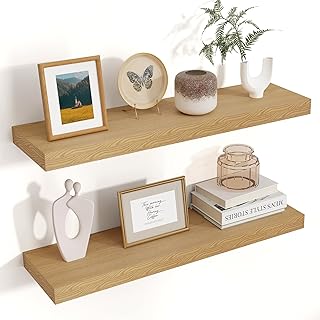
Venusmiles Floating Shelves for Wall 24 inch Long
A dependable everyday pick — Venusmiles Floating Shelves for Wall 24 inch Long pulls in 412 ratings at 4.5 stars. Not flashy, just solid.
16. Create a Dedicated Vanity Area

When you have extra square footage, a dedicated vanity area is a brilliant way to use a blank wall. It gives you a specific place to get ready that isn’t the bathroom counter. Use a solid wood writing desk measuring at least 48 inches wide as the base. Mount a massive 30-inch round mirror on the wall above it, and flank it with two hardwired plug-in sconces for perfect makeup lighting. Tuck a heavy velvet stool underneath. You can find sleek, minimalist desks at IKEA (like the Malm or Alex series, typically under $200) that serve perfectly as vanities when paired with high-end brass hardware. Best for: people sharing a single bathroom who need a separate space for morning routines. The catch: vanity tables quickly devolve into cluttered messes of loose makeup brushes and spilled powders if not rigorously organized daily.
17. Use Room Dividers for Visual Breaks

If you rent a massive studio or an open-concept loft bedroom, building walls isn’t an option. Freestanding room dividers are the best way to break up the cavernous space. Skip the cheap paper shoji screens. Look for heavy, carved wood panels or solid rattan dividers measuring at least 6 feet tall. Urban Outfitters often carries intricately carved wooden room dividers (ranging from $200 to $400) that act as freestanding art. Position a 3-panel screen behind a reading chair or use it to hide an open closet rack. It creates a false wall that instantly makes the sleeping area feel more enclosed and protected from the rest of the room. The catch: solid room dividers block natural light, meaning the area behind the screen will likely require its own dedicated floor lamp to prevent it from feeling like a cave.
How we chose these ideas: We evaluated these big bedroom decor strategies based on their visual impact, scalability, and cost-effectiveness. The focus was on realistic solutions that break up large empty spaces (like strategic lighting and oversized furniture) without requiring major structural renovations. We prioritized options that balance heavy textures with practical room layouts.
Decorating a massive bedroom is honestly a luxury problem, but it’s still a problem. The goal isn’t just to buy more stuff; it’s to buy the right scale of stuff. Stop buying tiny nightstands and flimsy rugs. Anchor the space with heavy textures, dark paint, and massive lighting fixtures. If you’re overwhelmed, I’d suggest starting with the rug. Pin this list for your next weekend project, and start by mapping out those functional zones before you spend a dime on decor.
Frequently Asked Questions
How do you make a big bedroom feel cozy?
Break the room into functional zones using large area rugs and oversized furniture. Darker paint tones pull the walls inward visually, while heavy layered bedding and floor-to-ceiling drapes add necessary texture to absorb echoes and soften the cavernous space.
What size rug is best for a large primary bedroom?
A massive bedroom requires at least a 9×12 or 10×14 area rug. A standard 8×10 rug gets swallowed by the floor space. Ensure the rug extends at least 36 inches beyond the sides and foot of a king-size bed to properly anchor the furniture.
How do you fill empty corners in a large bedroom?
Empty corners are perfect for functional zones. Create a reading nook with a heavy bouclé armchair, a solid wood side table, and a dedicated floor lamp. Alternatively, use a 6-foot tall indoor tree in a heavy 16-inch ceramic planter to add vertical scale.
Should a bed be centered in a large room?
Centering the bed is traditional, but floating it away from the wall is highly effective in massive rooms. Placing the headboard 3 feet from the wall creates a hidden corridor for a dressing area or console table, instantly making the layout feel like a luxury hotel suite.
